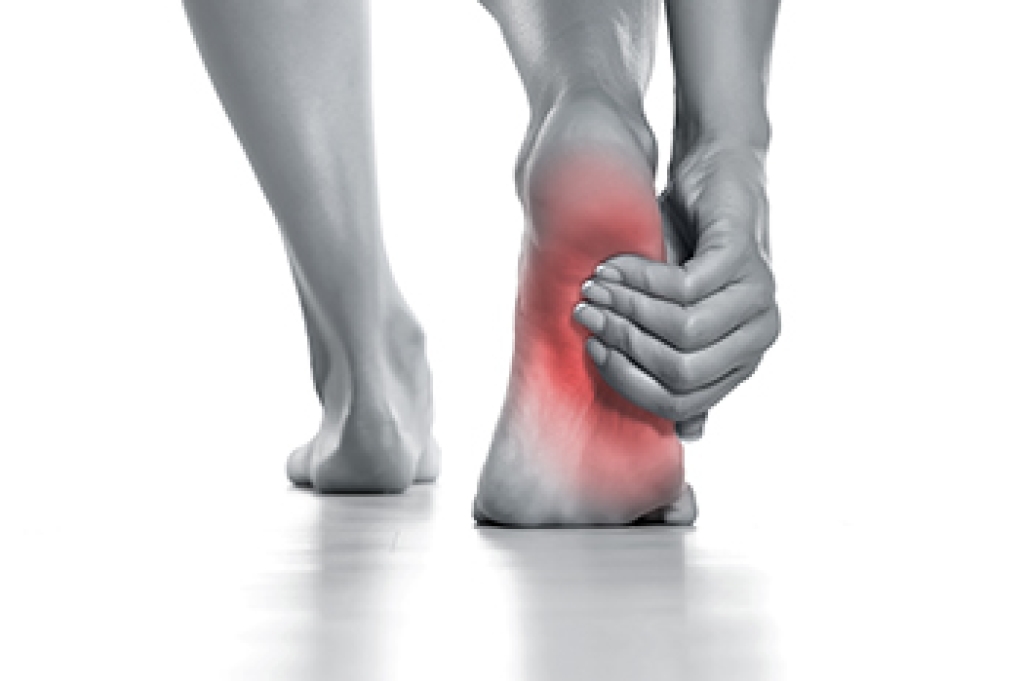
Facts About Heel Pad Syndrome

Heel pad syndrome develops when the natural fat pad beneath the heel becomes irritated, worn, or less able to absorb impact. This cushioning normally protects the heel bone from pressure during walking and running. When the heel pad does not provide enough protection, each step can feel uncomfortable. A common symptom is deep pain in the middle of the heel. Many people describe the sensation as feeling like a bruise on the bottom of the foot. Pain may become more noticeable after standing or walking on hard surfaces.

Several factors increase the risk of heel pad syndrome. Age is an important factor because the heel pad can become thinner and less flexible over time. Foot structure may also affect how pressure is distributed during movement. Running, prolonged standing, and walking on hard surfaces can repeatedly load the heel pad. Wearing unsupportive footwear may further increase pressure and reduce natural cushioning.


Symptoms can vary depending on how much stress the heel experiences. Deep heel pain may appear after exercise or a long day on your feet. The center of the heel may feel tender when pressed, especially after repeated impact. Rest may reduce symptoms, but pain can return when normal activity resumes. Recognizing these changes early helps prevent ongoing irritation and makes it easier to protect the heel during daily activities.


A podiatrist will examine the heel and determine whether heel pad syndrome is causing your pain. The evaluation may include checking tenderness, foot structure, and footwear. Imaging may be recommended when another heel problem needs to be ruled out. Treatment options include wearing cushioned footwear, heel cups, and methods to reduce pressure. A podiatrist may also recommend gradual changes to exercise and daily routines while the heel recovers. If you have persistent heel pain, it is suggested that you consult a podiatrist who can accurately diagnose and treat heel pad syndrome. 

Many people suffer from bouts of heel pain. For more information, contact one of our podiatrists of Chicago Foot Specialists. Our practitioners can provide the care you need to keep you pain-free and on your feet.

Causes of Heel Pain

Heel pain is often associated with plantar fasciitis. The plantar fascia is a band of tissues that extends along the bottom of the foot. A rip or tear in this ligament can cause inflammation of the tissue.

Achilles tendonitis is another cause of heel pain. Inflammation of the Achilles tendon will cause pain from fractures and muscle tearing. Lack of flexibility is also another symptom.

Heel spurs are another cause of pain. When the tissues of the plantar fascia undergo a great deal of stress, it can lead to ligament separation from the heel bone, causing heel spurs.

Why Might Heel Pain Occur?

  • Wearing ill-fitting shoes                
  • Wearing non-supportive shoes
  • Weight change           
  • Excessive running

Treatments

Heel pain should be treated as soon as possible for immediate results. Keeping your feet in a stress-free environment will help. If you suffer from Achilles tendonitis or plantar fasciitis, applying ice will reduce the swelling. Stretching before an exercise like running will help the muscles. Using all these tips will help make heel pain a condition of the past.

If you have any questions, please feel free to contact our office located in Loop area of Chicago, IL . We offer the newest diagnostic and treatment technologies for all your foot care needs.

Read more about Heel Pain

Signs and Causes of Psoriatic Arthritis in the Feet

Psoriatic arthritis in the feet is a chronic inflammatory condition that can affect the joints, tendons, and surrounding tissues. It often develops in people who have psoriasis, a skin condition that causes dry, scaly patches. However, joint symptoms can sometimes appear before noticeable skin changes. Psoriatic arthritis may affect one or several joints and can make walking, standing, and daily activities uncomfortable. Early attention can help protect joint function and reduce ongoing inflammation.

Symptoms can vary from person to person. Common signs include foot pain, joint swelling, and tenderness. The length of the toes may become swollen, creating a sausage-like appearance called dactylitis. The heels may also hurt when inflammation affects the Achilles tendon or plantar fascia. Some people notice stiffness that is worse in the morning or after resting. Toenail changes, such as pitting or separation from the nail bed, may also occur.

Several factors can increase the risk of developing psoriatic arthritis. Having psoriasis is the strongest known risk factor, especially when skin or nail symptoms are present. A family history of psoriasis or psoriatic arthritis can also increase risk. The exact cause is not fully understood, but the condition involves an abnormal immune response that causes inflammation. Genetic factors and certain environmental triggers may contribute. Injury, infection, or significant physical stress may also play a role in some people.

A podiatrist will examine the feet, ankles, and joints, while reviewing symptoms and medical history. Imaging or laboratory testing may be recommended to help identify joint changes or rule out other causes of foot pain. Treatment may include recommendations for supportive footwear and custom orthotics. A podiatrist may also address painful pressure areas and provide ongoing foot care. If you have psoriatic arthritis in your feet, it is suggested that you consult a podiatrist for effective relief and management solutions.

Arthritis can be a difficult condition to live with. If you are seeking treatment, contact one of our podiatrists from Chicago Foot Specialists. Our practitioners can provide the care you need to keep you pain-free and on your feet.

Arthritic Foot Care  

Arthritis is a joint disorder that involves the inflammation of different joints in your body, such as those in your feet. Arthritis is often caused by a degenerative joint disease and causes mild to severe pain in all affected areas. In addition to this, swelling and stiffness in the affected joints can also be a common symptom of arthritis.

In many cases, wearing ill-fitting shoes can worsen the effects and pain of arthritis. Wearing shoes that have a lower heel and extra room can help your feet feel more comfortable. In cases of rheumatoid arthritis, the arch in your foot may become problematic. Buying shoes with proper arch support that contour to your feet can help immensely.

Alleviating Arthritic Pain

  • Exercises that stretch the foot can prevent further pain and injury and increase mobility
  • Most of the pain can be alleviated with anti-inflammatory drugs, heat, and topical medications
  • Massages can help temporarily alleviate pain.

It is best to see your doctor for the treatment that is right for your needs and symptoms. Conditions vary, and a podiatrist can help you determine the right method of care for your feet.

If you have any questions please feel free to contact our office located in Loop area of Chicago, IL . We offer the newest diagnostic tools and technology to treat your foot and ankle needs.

Read more about Arthritic Foot Care

Cracked Heels and Diabetes Can Affect Foot Health

Cracked heels develop when the skin around the heel becomes dry, thick, and less flexible. As pressure increases during standing or walking, the skin can split and form painful openings. Symptoms include dryness, rough skin, or bleeding. Causes include dry weather, prolonged standing, and inadequate moisture. Simple preventive habits can help keep heel skin stronger and more resilient daily.

Diabetes can significantly increase the risk of cracked heels because elevated blood sugar may affect circulation, nerve function, and the body’s ability to repair damaged skin. Nerve changes can reduce sensation, making it harder to notice dryness or small cracks. Reduced circulation can limit oxygen and nutrients needed for healing. Diabetes may also increase infection risk. Cracked skin can become deeper and potentially develop into a more serious wound when left untreated.


Risk factors for cracked heels include dry skin, aging, and wearing unsupportive footwear. Cold or dry weather may remove moisture from the skin and make cracking worse. A podiatrist can examine the heels, assess skin condition, and look for signs of infection. Treatment may include safely reducing thickened skin, recommending moisturizing products, and addressing pressure from footwear.


Preventing cracked heels starts with consistent foot care. Use recommended moisturizers regularly, wear supportive shoes, and avoid walking barefoot. Check your feet each day for redness, cracks, or other changes. If a crack becomes painful, swollen, or slow to heal, prompt professional evaluation is important, especially with diabetes. A podiatrist can create an appropriate care plan and monitor healing to reduce complications. If you have diabetes and have developed cracked heels, it is suggested that you are under the care of a podiatrist for effective relief tips, and guidance on diabetic foot care. 

If the skin on your feet starts to crack, you may want to see a podiatrist to find treatment. If you have any concerns, contact one of our podiatrists from Chicago Foot Specialists. Our practitioners can provide the care you need to keep you pain-free and on your feet.

Cracked Heels

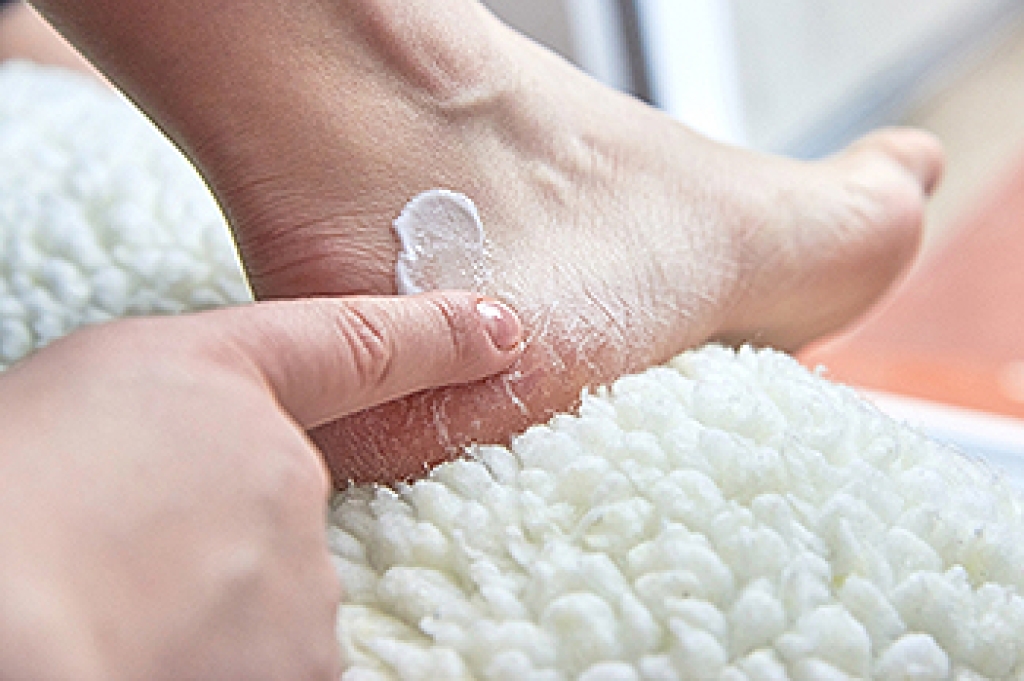
It is important to moisturize your cracked heels in order to prevent pain, bleeding, and infection. The reason cracked heels form is because the skin on the foot is too dry to support the immense pressure placed on them. When the foot expands, the dry skin on the foot begins to split.

Ways to Help Heal Them

  • Invest in a good foot cream
  • Try Using Petroleum Jelly
  • Ease up on Soaps
  • Drink Plenty of Water

Ways to Prevent Cracked Heels

  • Moisturize After Showering
  • Skip a Shower
  • Keep Shower Water Lukewarm
  • Don’t Scrub Your Feet

If you are unsure how to proceed in treating cracked heels, seek guidance from a podiatrist. Your doctor will help you with any questions or information you may need. 

If you have any questions, please feel free to contact our office located in Loop area of Chicago, IL . We offer the newest diagnostic and treatment technologies for all your foot care needs.
Read more about Solutions for Cracked Heels

Foot Complications From Diabetes

Diabetes can affect the feet in serious ways, especially when high blood sugar damages nerves and blood vessels. Nerve damage, called peripheral neuropathy, can cause numbness, tingling, or burning. A patient may not feel a blister, cut, or pressure from a shoe. Reduced circulation can also limit the oxygen and nutrients that reach injured tissue. Changes in skin color, temperature, or sensation may indicate an ulcer forming.

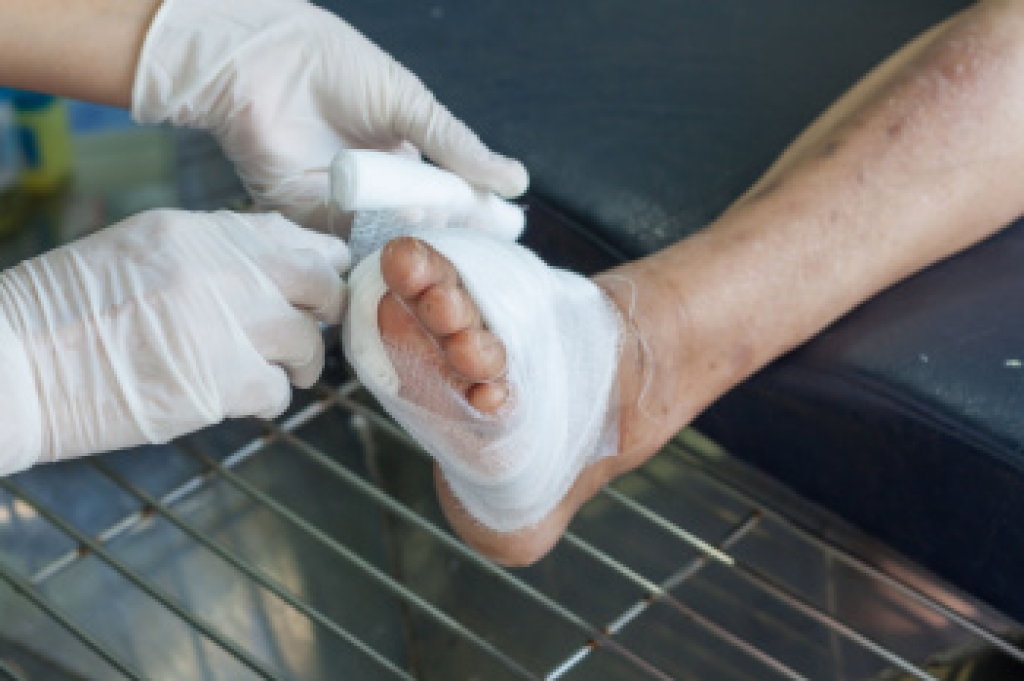
Diabetic foot ulcers are open sores that can develop when repeated pressure damages the skin. A callus can hide injured tissue beneath it, while reduced feeling allows the pressure to continue unnoticed. Hammertoes and other changes in foot shape can create additional pressure points. Shoes that fit poorly can add rubbing or crowd the toes. Without prompt care, an ulcer can deepen and infection can spread. Severe infection can threaten the foot and raise the risk of limb loss. Patients should contact a podiatrist promptly when they notice drainage, redness, or an open sore.

A podiatrist can identify problems early and create a plan based on the patient’s circulation, sensation, and foot structure. An examination includes checking the skin, testing nerve function, and feeling pulses in the feet. The podiatrist can safely manage thick nails or calluses that could injure nearby skin. For an ulcer, care includes cleaning the wound and removing unhealthy tissue. The podiatrist can also reduce pressure with padding, custom orthotics, or special shoes. When infection or poor circulation is suspected, further testing and coordinated medical care can protect the foot. Regular podiatry visits are especially important for patients with past ulcers, reduced feeling, or changes in foot shape. Early treatment can promote healing, prevent new wounds, and lower the chance of serious complications. If you are experiencing foot complications from diabetes, it is suggested that you are under the care of a podiatrist who can help you to manage this serious condition. 

Diabetic foot care is important in preventing foot ailments such as ulcers. If you are suffering from diabetes or have any other concerns about your feet, contact one of our podiatrists from Chicago Foot Specialists. Our practitioners can provide the care you need to keep you pain-free and on your feet.

Diabetic Foot Care

Diabetes affects millions of people every year. The condition can damage blood vessels in many parts of the body, especially the feet. Because of this, taking care of your feet is essential if you have diabetes, and having a podiatrist help monitor your foot health is highly recommended.

The Importance of Caring for Your Feet

  • Routinely inspect your feet for bruises or sores.
  • Wear socks that fit your feet comfortably.
  • Wear comfortable shoes that provide adequate support.

Patients with diabetes should have their doctor monitor their blood levels, as blood sugar levels play such a huge role in diabetic care. Monitoring these levels on a regular basis is highly advised.

It is always best to inform your healthcare professional of any concerns you may have regarding your feet, especially for diabetic patients. Early treatment and routine foot examinations are keys to maintaining proper health, especially because severe complications can arise if proper treatment is not applied.

If you have any questions, please feel free to contact our office located in Loop area of Chicago, IL . We offer the newest diagnostic and treatment technologies for all your foot care needs.

Read more about Diabetic Foot Conditions
scroll to top