Have your feet inspected by a professional before starting a new sport or physical activity. Taking charge of your foot health will keep you in good physical condition and can help you avoid a potential injury, such as a fracture or sprained ankle.
Neglecting foot health can lead to pain, skin problems, nail concerns, and changes in walking that place strain on the ankles and lower legs. Taking care of your feet is essential because they support body weight, absorb impact, and help maintain balance with every step. Simple habits like keeping feet clean and dry, trimming toenails properly, and wearing shoes that fit well can reduce the risk of irritation, infection, and deformities. Daily attention also makes it easier to notice changes in skin color, swelling, thickened nails, or areas of pressure that may signal a developing problem. As people age or remain on their feet for long periods, flexibility and strength in the feet can decline, increasing the risk of instability and injury. A podiatrist can evaluate foot structure, identify early concerns, and recommend care or treatment to protect mobility. If you have foot discomfort or notice unusual changes, it is suggested that you make an appointment with a podiatrist for an exam and treatment.
Everyday foot care is very important to prevent infection and other foot ailments. If you need your feet checked, contact one of our podiatrists from Chicago Foot Specialists. Our practitioners can provide the care you need to keep you pain-free and on your feet.
Everyday Foot Care
Often, people take care of their bodies, face and hair more so than they do for their feet. But the feet are a very important aspect of our bodies, and one that we should pay more attention to. Without our feet, we would not be able to perform most daily tasks.
It is best to check your feet regularly to make sure there are no new bruises or cuts that you may not have noticed before. For dry feet, moisturizer can easily be a remedy and can be applied as often as necessary to the affected areas. Wearing shoes that fit well can also help you maintain good foot health, as well as making it easier to walk and do daily activities without the stress or pain of ill-fitting shoes, high heels, or even flip flops. Wearing clean socks with closed shoes is important to ensure that sweat and bacteria do not accumulate within the shoe. Clean socks help to prevent Athlete’s foot, fungi problems, bad odors, and can absorb sweat.
If you have any questions, please feel free to contact our office located in Chicago, IL. We offer the newest diagnostic and treatment technologies for all your foot care needs.
An ankle sprain is an injury that occurs when the ligaments supporting the ankle are stretched or torn, often due to sudden twisting or rolling of the joint. This injury commonly happens in volleyball when athletes land awkwardly after jumping, change direction quickly, or step on another player’s foot. Repeated ankle sprains can lead to chronic instability, causing the ankle to feel weak, unstable, or prone to giving way during activity. Ongoing instability may increase the risk of further injury and long-term joint problems. A podiatrist can help by evaluating ankle alignment, ligament integrity, and movement patterns. Treatment may include bracing, rehabilitation exercises, and custom orthotics to improve stability and support healing. If you enjoy playing volleyball and have sustained an ankle injury, it is suggested that you consult a podiatrist who can offer effective treatment solutions, enabling you to return to your desired sport as soon as possible.
Ankle sprains are common but need immediate attention. If you need your feet checked, contact one of our podiatrists from Chicago Foot Specialists. Our practitioners can provide the care you need to keep you pain-free and on your feet.
How Does an Ankle Sprain Occur?
Ankle sprains take place when the ligaments in your ankle are torn or stretched beyond their limits. There are multiple ways that the ankle can become injured, including twisting or rolling over onto your ankle, putting undue stress on it, or causing trauma to the ankle itself.
What Are the Symptoms?
Mild to moderate bruising
Limited mobility
Swelling
Discoloration of the skin (depending on severity)
Preventing a Sprain
Wearing appropriate shoes for the occasion
Stretching before exercises and sports
Knowing your limits
Treatment of a Sprain
Treatment of a sprain depends on the severity. Many times, people are told to rest and remain off their feet completely, while others are given an air cast. If the sprain is very severe, surgery may be required.
If you have suffered an ankle sprain previously, you may want to consider additional support such as a brace and regular exercises to strengthen the ankle.
If you have any questions please feel free to contact our office located in Chicago, IL. We offer the newest diagnostic tools and technology to treat your foot and ankle needs.
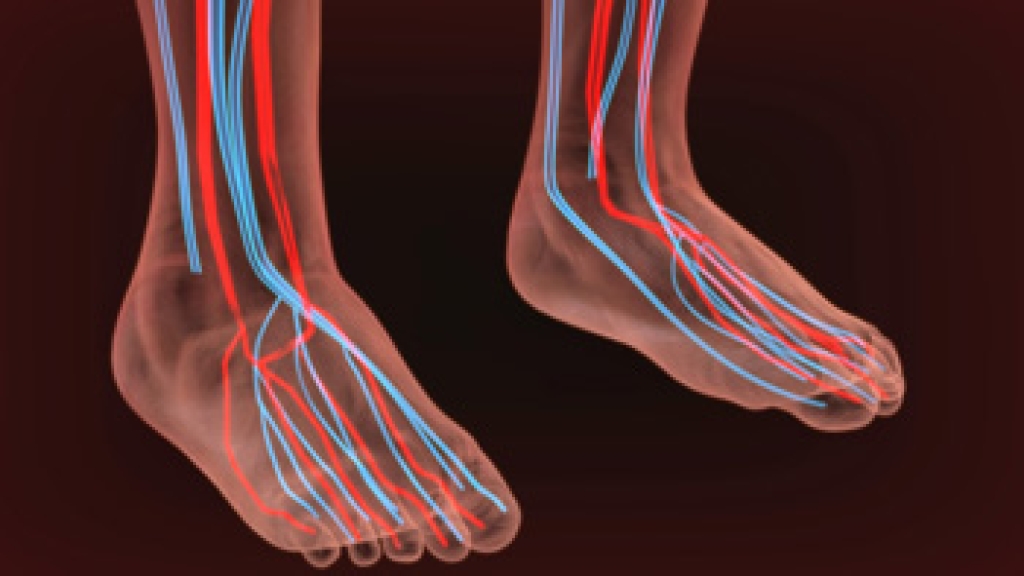
Poor foot circulation occurs when blood flow to the feet is reduced, limiting oxygen and nutrient delivery to tissues. This condition can affect foot health by slowing wound healing, increasing the risk of infection, and causing muscle weakness or tissue damage. Common symptoms include cold feet, numbness, tingling, swelling, and cramping during activity. Risk factors include diabetes, peripheral artery disease, obesity, smoking, high blood pressure, and a sedentary lifestyle. Early recognition and management are essential to prevent complications. A podiatrist can assess circulation, evaluate underlying causes, recommend lifestyle modifications, provide specialized footwear, and monitor foot health to prevent ulcers or infections. If you have poor foot circulation, it is suggested that you are under the care of a podiatrist who can help you manage this condition.
While poor circulation itself isn’t a condition; it is a symptom of another underlying health condition you may have. If you have any concerns with poor circulation in your feet contact one of our podiatrists of Chicago Foot Specialists. Our practitioners will treat your foot and ankle needs.
Poor Circulation in the Feet
Peripheral artery disease (PAD) can potentially lead to poor circulation in the lower extremities. PAD is a condition that causes the blood vessels and arteries to narrow. In a linked condition called atherosclerosis, the arteries stiffen up due to a buildup of plaque in the arteries and blood vessels. These two conditions can cause a decrease in the amount of blood that flows to your extremities, therefore resulting in pain.
Symptoms
Some of the most common symptoms of poor circulation are:
Numbness
Tingling
Throbbing or stinging pain in limbs
Pain
Muscle Cramps
Treatment for poor circulation often depends on the underlying condition that causes it. Methods for treatment may include insulin for diabetes, special exercise programs, surgery for varicose veins, or compression socks for swollen legs.
As always, see a podiatrist as he or she will assist in finding a regimen that suits you. A podiatrist can also prescribe you any needed medication.
If you have any questions, please feel free to contact our office located in Chicago, IL. We offer the newest diagnostic and treatment technologies for all your foot care needs.
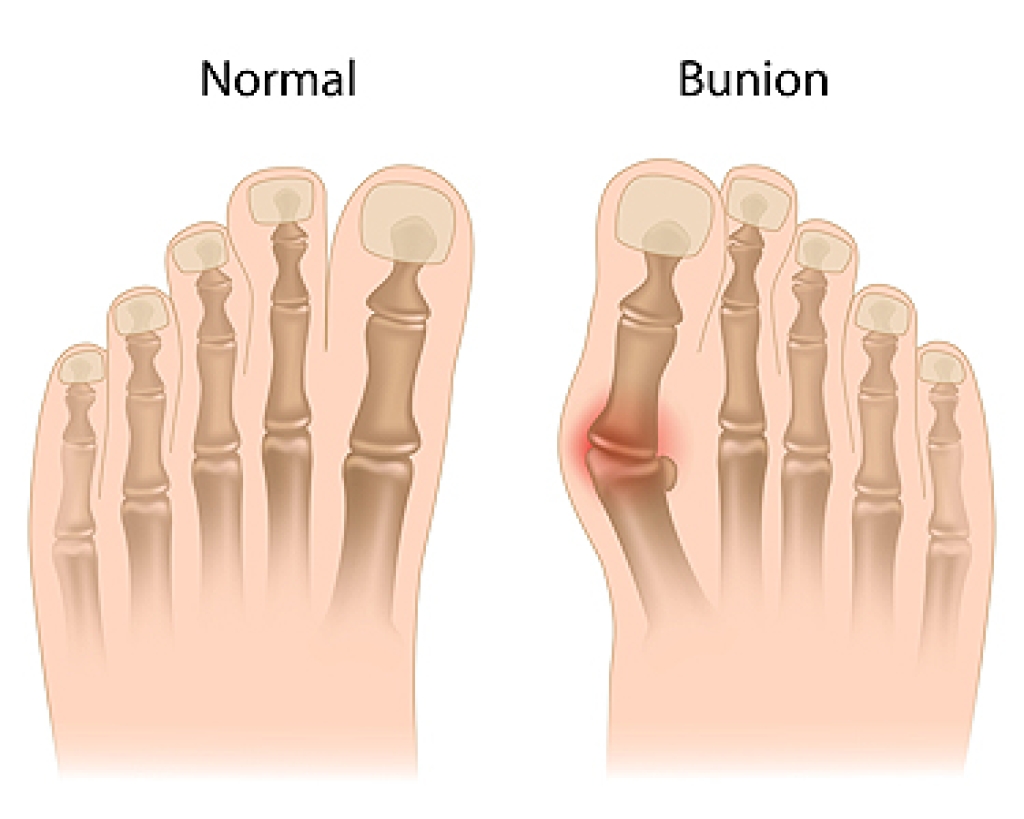
A bunion is a progressive foot deformity that develops when the joint at the base of the big toe shifts out of proper alignment, causing the toe to angle inward. Common causes include joint problems, poorly fitting shoes, and inherited foot structure influenced by genetics. Over time, uneven pressure on the joint leads to inflammation and structural changes. Symptoms often include a visible bump, redness, swelling, stiffness, and pain that worsens with walking or prolonged standing. As the condition progresses, normal movement of the foot may become limited. A podiatrist can evaluate joint alignment, identify contributing factors, and create a personalized treatment plan. Care may include footwear guidance, orthotics, padding, or advanced treatment options to relieve discomfort and slow progression. If you have the beginning signs of a bunion developing, it is suggested that you consult a podiatrist who can offer you effective management tips.
A bunion is formed of swollen tissue or an enlargement of boney growth, usually located at the base joint of the toe that connects to the foot. The swelling occurs due to the bones in the big toe shifting inward, which impacts the other toes of the foot. This causes the area around the base of the big toe to become inflamed and painful.
Why Do Bunions Form?
Genetics – Susceptibility to bunions are often hereditary
Stress on the feet – Poorly fitted and uncomfortable footwear that places stress on feet, such as heels, can worsen existing bunions
How Are Bunions Diagnosed?
Podiatrists often perform two tests – blood tests and x-rays – when trying to diagnose bunions, especially in the early stages of development. Blood tests help determine if the foot pain is being caused by something else, such as arthritis, while x-rays provide a clear picture of your bone structure to your provider.
How Are Bunions Treated?
Refrain from wearing heels or similar shoes that cause discomfort
Select wider shoes that can provide more comfort and reduce pain
Anti-inflammatory and pain management drugs
Orthotics or foot inserts
Surgery
If you have any questions, please feel free to contact our office located in Chicago, IL. We offer the newest diagnostic and treatment technologies for all your foot care needs.