
When a Small Nerve Causes Big Foot Pain

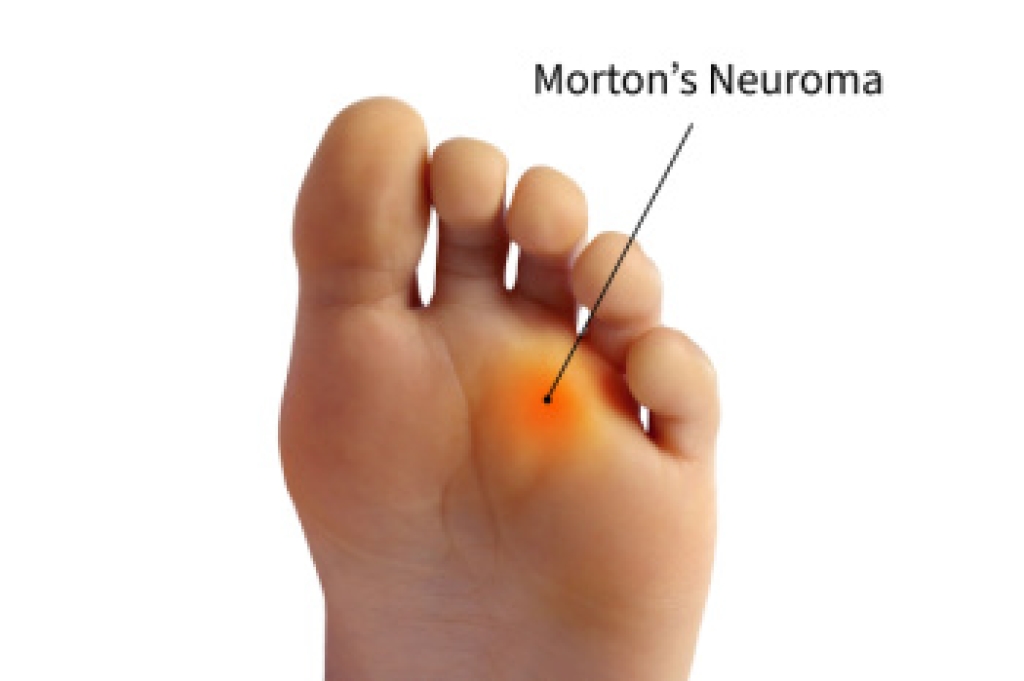
Morton’s neuroma is a painful condition that affects the nerve between the toes, most often between the third and fourth toes. It is caused by repeated pressure or irritation from tight shoes, high heels, foot structure, or high impact activity that thickens the nerve tissue. Symptoms often include burning, tingling, numbness, and a sensation that feels like standing on a pebble. The foot may look normal from the outside, though mild swelling or tenderness can appear between the toes. The pain may worsen with walking and improve when shoes are removed. A podiatrist can help by starting with a careful exam and imaging when needed to confirm the diagnosis. Treatment may begin with shoe changes and custom orthotics, then progress to targeted exercises, anti-inflammatory care, or injections to calm the nerve. In persistent cases, surgery may be discussed. If you suspect you might have a Morton’s neuroma, it is suggested that you make an appointment with a podiatrist for an exam, diagnosis, and treatment plan.

Morton’s neuroma is a very uncomfortable condition to live with. If you think you have Morton’s neuroma, contact one of our podiatrists of Chicago Foot Specialists. Our practitioners will attend to all of your foot care needs and answer any of your related questions.  

Morton’s Neuroma

Morton's neuroma is a painful foot condition that commonly affects the areas between the second and third or third and fourth toe, although other areas of the foot are also susceptible. Morton’s neuroma is caused by an inflamed nerve in the foot that is being squeezed and aggravated by surrounding bones.

What Increases the Chances of Having Morton’s Neuroma?

  • Ill-fitting high heels or shoes that add pressure to the toe or foot
  • Jogging, running or any sport that involves constant impact to the foot
  • Flat feet, bunions, and any other foot deformities

Morton’s neuroma is a very treatable condition. Orthotics and shoe inserts can often be used to alleviate the pain on the forefront of the feet. In more severe cases, corticosteroids can also be prescribed. In order to figure out the best treatment for your neuroma, it’s recommended to seek the care of a podiatrist who can diagnose your condition and provide different treatment options.

If you have any questions, please feel free to contact our office located in Chicago, IL . We offer the newest diagnostic and treatment technologies for all your foot care needs.

Read more about Morton's Neuroma

Painful Ingrown Toenails

Ingrown toenails occur when the edge of a nail grows into the surrounding skin, creating irritation that can quickly become painful. This condition often develops from improper nail trimming, tight footwear, injury, or natural nail shape. Symptoms may begin with tenderness and progress to swelling, redness, and increasing pain, sometimes joined by drainage, warmth, or infection. The affected toe may look inflamed or puffy along the nail border, and it can feel sore, throbbing, or sharply painful, especially when walking or wearing shoes. Left untreated, ingrown toenails can worsen and interfere with daily activities. A podiatrist can help by carefully examining the nail and surrounding tissue to confirm the diagnosis and assess severity. Early treatment may include trimming, lifting, or protecting the nail edge, along with guidance on proper foot care. More advanced cases may require partial nail removal, medication, or corrective procedures to prevent recurrence. If you have a painful ingrown toenail, it is suggested that you make an appointment with a podiatrist.

Ingrown toenails may initially present themselves as a minor discomfort, but they may progress into an infection in the skin without proper treatment. For more information about ingrown toenails, contact one of our podiatrists of Chicago Foot Specialists. Our practitioners can provide the care you need to keep you pain-free and on your feet.

Ingrown Toenails

Ingrown toenails are caused when the corner or side of a toenail grows into the soft flesh surrounding it. They often result in redness, swelling, pain, and in some cases, infection. This condition typically affects the big toe and may recur if it is not treated properly.

Causes

  • Improper toenail trimming
  • Genetics
  • Improper shoe fitting
  • Injury from pedicures or nail picking
  • Abnormal gait
  • Poor hygiene

You are more likely to develop an ingrown toenail if you are obese, have diabetes, arthritis, or have any fungal infection in your nails. Additionally, people who have foot or toe deformities are at a higher risk of developing an ingrown toenail.

Symptoms

Some symptoms of ingrown toenails are redness, swelling, and pain. In rare cases, there may be a yellowish drainage coming from the nail.

Treatment

Ignoring an ingrown toenail can have serious complications. Infections of the nail border can progress to a deeper soft-tissue infection, which can then turn into a bone infection. You should always speak with your podiatrist if you suspect you have an ingrown toenail, especially if you have diabetes or poor circulation.

If you have any questions, please feel free to contact our office located in Chicago, IL . We offer the newest diagnostic and treatment technologies for all your foot care needs.
Read more about Ingrown Toenails

The Foot and Ankle as the Foundation of Balance

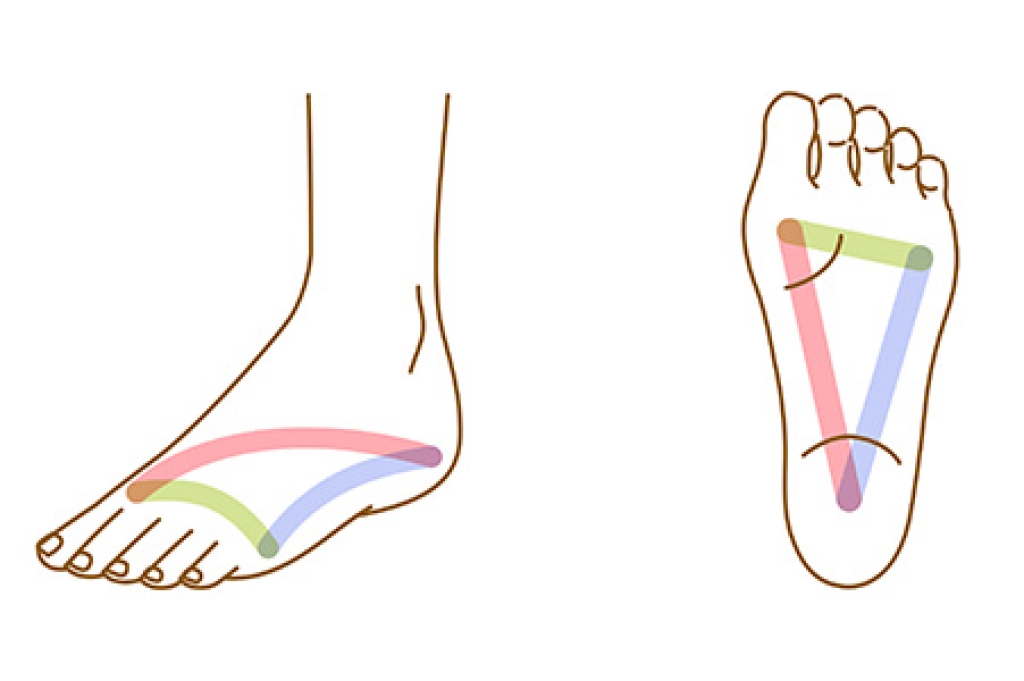
The foot and ankle serve as the foundation for balance, movement, and overall body alignment, supporting every step taken throughout daily life. Their structure includes bones, joints, and ligaments that work together to create strength and flexibility, while absorbing shock with each stride. Soft tissue, such as muscles and tendons, provides stability and helps control motion during walking and standing. When foot balance is out of alignment, conditions such as plantar fasciitis, ankle instability, tendon strain, and joint pain may develop, often affecting posture and comfort beyond the feet. If you have foot pain, it is suggested that you consult a podiatrist who can evaluate alignment, diagnose underlying issues, and provide treatment through orthotics or other medical care.

If you have any concerns about your feet, contact one of our podiatrists from Chicago Foot Specialists. Our practitioners can provide the care you need to keep you pain-free and on your feet.

Biomechanics in Podiatry

Podiatric biomechanics is a particular sector of specialty podiatry with licensed practitioners who are trained to diagnose and treat conditions affecting the foot, ankle and lower leg. Biomechanics deals with the forces that act against the body, causing an interference with the biological structures. It focuses on the movement of the ankle, the foot and the forces that interact with them.

A History of Biomechanics

  • Biomechanics dates back to the BC era in Egypt where evidence of professional foot care has been recorded.
  • In 1974, biomechanics gained a higher profile from the studies of Merton Root, who claimed that by changing or controlling the forces between the ankle and the foot, corrections or conditions could be implemented to gain strength and coordination in the area.

Modern technological improvements are based on past theories and therapeutic processes that provide a better understanding of podiatric concepts for biomechanics. Computers can provide accurate information about the forces and patterns of the feet and lower legs.

Understanding biomechanics of the feet can help improve and eliminate pain, stopping further stress to the foot.

If you have any questions please feel free to contact our office located in Chicago, IL . We offer the newest diagnostic and treatment technologies for all your foot and ankle needs.

Read more about Biomechanics in Podiatry
scroll to top