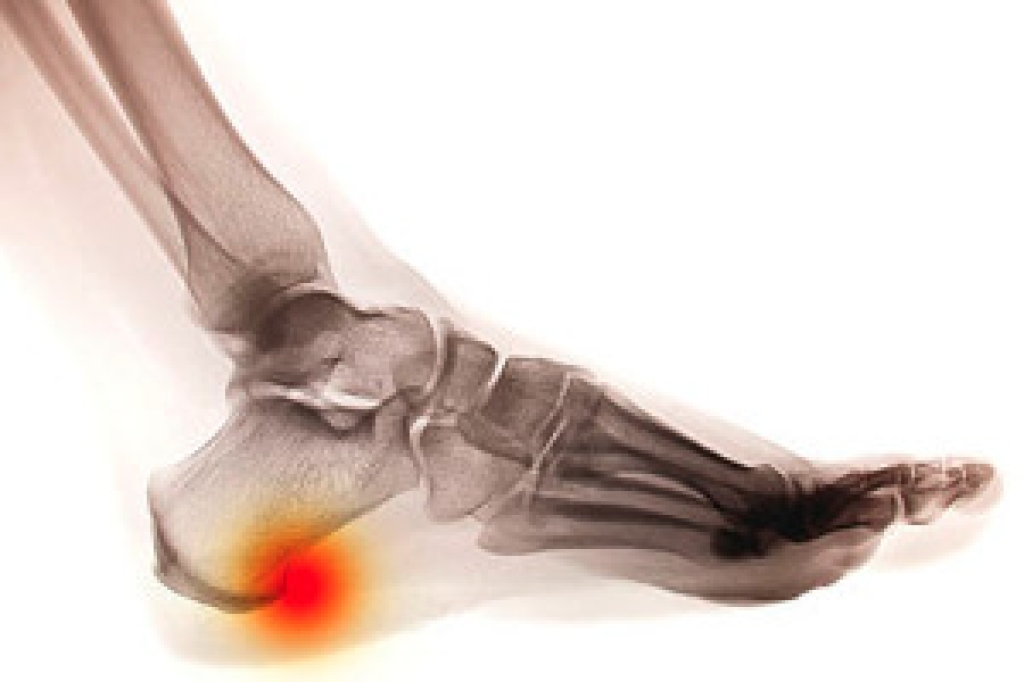
Long-Term Impact of Achille’s Tendon Injuries

An injury involving the Achille’s tendon, especially a rupture, can leave ongoing issues even after healing. People often report reduced strength in the lower leg, making activities like pushing off the foot or climbing stairs more difficult. Limited flexibility and ankle stiffness may persist, especially after rest. Muscle shrinkage in the calf can occur due to disuse during recovery, sometimes creating an uneven appearance between legs. Changes in walking or movement patterns are also common, which may place extra stress on nearby joints such as the knees or hips. Some individuals continue to feel tightness or discomfort long term, while others face a higher chance of reinjury if they return to activity too quickly. Proper rehabilitation, gradual strengthening, and targeted exercises are important to help restore mobility, improve function, and reduce the risk of lasting complications. If you have sustained an injury to your Achille’s tendon, it is suggested that you see a podiatrist for appropriate treatment.

Achilles tendon injuries need immediate attention to avoid future complications. If you have any concerns, contact one of our podiatrists of Chicago Foot Specialists. Our practitioners can provide the care you need to keep you pain-free and on your feet.

What Is the Achilles Tendon?

The Achilles tendon is a tendon that connects the lower leg muscles and calf to the heel of the foot. It is the strongest tendon in the human body and is essential for making movement possible. Because this tendon is such an integral part of the body, any injuries to it can create immense difficulties and should immediately be presented to a doctor.

What Are the Symptoms of an Achilles Tendon Injury?

There are various types of injuries that can affect the Achilles tendon. The two most common injuries are Achilles tendinitis and ruptures of the tendon.

Achilles Tendinitis Symptoms

  • Inflammation
  • Dull to severe pain
  • Increased blood flow to the tendon
  • Thickening of the tendon

Rupture Symptoms

  • Extreme pain and swelling in the foot
  • Total immobility

Treatment and Prevention

Achilles tendon injuries are diagnosed by a thorough physical evaluation, which can include an MRI. Treatment involves rest, physical therapy, and in some cases, surgery. However, various preventative measures can be taken to avoid these injuries, such as:

  • Thorough stretching of the tendon before and after exercise
  • Strengthening exercises like calf raises, squats, leg curls, leg extensions, leg raises, lunges, and leg presses

If you have any questions please feel free to contact our office located in Chicago, IL . We offer the newest diagnostic tools and technology to treat your foot and ankle needs.

Read more about What are Achilles Tendon Injuries

Saving Limbs Through Early and Team-Based Foot Care

Severe circulation problems in a lower extremity and open sores with infection can place a limb at serious risk. This is especially true for people with diabetes, where nerve damage and reduced blood flow can delay healing and mask early warning signs. In many cases, loss of part of the leg can be prevented when care begins early and is well-coordinated. These conditions are rarely simple. Pressure, bacteria, and poor tissue health often combine, making recovery more difficult. Successful care often involves a group of providers working together, including specialists in circulation, wound care, and foot health. Each focuses on restoring blood flow, reducing pressure, and supporting healing. Regular monitoring and patient involvement also play an important role. If you have diabetes and notice a slow-healing sore or signs of infection, it is suggested that you are under the care of a podiatrist for appropriate treatment and help in managing this serious condition. 

Diabetic Limb Salvage

Diabetic limb salvage can be an effective way in preventing the need for limb amputation. If you have a foot ulcer and diabetes, consult with one of our podiatrists from Chicago Foot Specialists. Our practitioners will assess your condition and provide you with quality foot and ankle treatment.

What Is Diabetic Limb Salvage?

Diabetic limb salvage is the attempt of saving a limb, such as the foot, that has an infected ulcer, from amputation. Podiatrists also try to make sure that there is enough function in the foot after the salvage that it is still usable. Those with diabetes experience poor blood circulation, which prevents proper healing of an ulcer. If the ulcer is left uncheck, it could become infected, which could result in the need for amputation.

Diabetes is the number one cause of non-traumatic amputations in the United States. Amputation has been found to lead to higher mortality rates. This translates into higher healthcare costs, and a reduced quality of life and mobility for amputees. Podiatrists have attempted to increase the prevalence of limb salvage in an attempt to solve these issues.

Diagnosis and Treatment

Limb salvage teams have grown in recent years that utilize a number of different treatments to save the infected limb. This includes podiatrists that specialize in wound care, rehabilitation, orthotics, and surgery. Through a combination of these methods, limb salvage has been found to be an effective treatment for infected limbs, and as an alternative to amputation. Podiatrists will first evaluate the potential for limb salvage and determine if the limb can be saved or must be amputated. 

If you have any questions, please feel free to contact our office located in Chicago, IL . We offer the newest diagnostic and treatment technologies for all your foot care needs.

Read more about Diabetic Limb Salvage

Peripheral Neuropathy and the Feet

Peripheral neuropathy affects the nerves in the feet, often leading to unusual sensations that can develop gradually. Patients may notice burning, tingling, numbness, or a pins and needles feeling, especially in the toes or soles. The skin may appear normal, but the loss of sensation can make it difficult to detect injuries, increasing the risk of unnoticed wounds. Some individuals also experience sharp or shooting pain, particularly at night. Common causes include diabetes, nerve compression, certain medications, or underlying medical conditions that affect nerve health. A podiatrist can evaluate nerve function through a detailed exam and may recommend additional testing to determine the cause. Treatment focuses on managing symptoms, protecting the feet, and improving nerve health with medication, supportive footwear, and targeted exercises. Early attention is important to prevent complications. If you have symptoms of peripheral neuropathy, it is suggested that you make an appointment with a podiatrist.

Neuropathy

Neuropathy can be a potentially serious condition, especially if it is left undiagnosed. If you have any concerns that you may be experiencing nerve loss in your feet, consult with one of our podiatrists from Chicago Foot Specialists. Our practitioners will assess your condition and provide you with quality foot and ankle treatment for neuropathy.

What Is Neuropathy?

Neuropathy is a condition that leads to damage to the nerves in the body. Peripheral neuropathy, or neuropathy that affects your peripheral nervous system, usually occurs in the feet. Neuropathy can be triggered by a number of different causes. Such causes include diabetes, infections, cancers, disorders, and toxic substances.

Symptoms of Neuropathy Include:

  • Numbness
  • Sensation loss
  • Prickling and tingling sensations
  • Throbbing, freezing, burning pains
  • Muscle weakness

Those with diabetes are at serious risk due to being unable to feel an ulcer on their feet. Diabetics usually also suffer from poor blood circulation. This can lead to the wound not healing, infections occurring, and the limb may have to be amputated.

Treatment

To treat neuropathy in the foot, podiatrists will first diagnose the cause of the neuropathy. Figuring out the underlying cause of the neuropathy will allow the podiatrist to prescribe the best treatment, whether it be caused by diabetes, toxic substance exposure, infection, etc. If the nerve has not died, then it’s possible that sensation may be able to return to the foot.

Pain medication may be issued for pain. Electrical nerve stimulation can be used to stimulate nerves. If the neuropathy is caused from pressure on the nerves, then surgery may be necessary.

If you have any questions, please feel free to contact our office located in Chicago, IL . We offer the newest diagnostic and treatment technologies for all your foot care needs.

Read more about Neuropathy

Get Professional Care for a Broken Foot or Ankle

Constant care and regular evaluation are important for a foot or ankle fracture. If left untreated, foot or ankle fractures can worsen over time and create more serious problems.

Don't wait to be examined if you believe you've experienced a foot or ankle fracture.

Definition of a Heel Spur

Heel spurs are bony growths that develop on the heel bone due to ongoing inflammation where the foot’s tendons connect to the heel. They are commonly located at the back of the heel or underneath it, and are often associated with conditions like arthritis or plantar fasciitis. Symptoms include sharp heel pain, tenderness, and discomfort while walking or standing. Risk factors include repetitive strain, improper footwear, excess weight, and prolonged standing. A podiatrist can diagnose heel spurs through examination and imaging, recommend supportive footwear, prescribe orthotics, and provide treatment to reduce inflammation and pain while improving function. If you have persistent heel pain, it is suggested that you consult a podiatrist who can accurately diagnose and treat heel spurs.

Heel spurs can be incredibly painful and sometimes may make you unable to participate in physical activities. To get medical care for your heel spurs, contact one of our podiatrists from Chicago Foot Specialists. Our practitioners will do everything possible to treat your condition.

Heels Spurs

Heel spurs are formed by calcium deposits on the back of the foot where the heel is. This can also be caused by small fragments of bone breaking off one section of the foot, attaching onto the back of the foot. Heel spurs can also be bone growth on the back of the foot and may grow in the direction of the arch of the foot.

Older individuals usually suffer from heel spurs and pain sometimes intensifies with age. One of the main condition's spurs are related to is plantar fasciitis.

Pain

The pain associated with spurs is often because of weight placed on the feet. When someone is walking, their entire weight is concentrated on the feet. Bone spurs then have the tendency to affect other bones and tissues around the foot. As the pain continues, the feet will become tender and sensitive over time.

Treatments

There are many ways to treat heel spurs. If one is suffering from heel spurs in conjunction with pain, there are several methods for healing. Medication, surgery, and herbal care are some options.

If you have any questions, please feel free to contact our office located in Chicago, IL . We offer the newest diagnostic and treatment technologies for all your foot care needs.

Read more about Heel Spurs
scroll to top