
Pain in the Ball of the Foot

Pain in the ball of the foot, termed metatarsalgia, refers to discomfort under the front part of the foot where weight is placed when walking. This pain can feel like a dull ache or a burning sensation, and it may worsen with standing or activity. Common causes include overuse, foot injuries, and pressure from wearing tight or high-heeled shoes. Conditions like a thickened nerve, joint strain, or a small fracture may also contribute to symptoms. Some people notice tingling or numbness in the toes, which can point to nerve involvement. Risk factors include aging and high-impact activities. Poor foot alignment can also increase stress in this area. A podiatrist can evaluate the foot and use imaging to identify the source of pain. Treatment includes custom orthotics, padding, footwear guidance, or other methods to reduce pressure and improve function. If you have pain in the ball of the foot, it is suggested that you schedule an appointment with a podiatrist for a diagnosis and appropriate treatment.

Foot Pain

Foot pain can be extremely painful and debilitating. If you have a foot pain, consult with one of our podiatrists from Chicago Foot Specialists. Our practitioners will assess your condition and provide you with quality foot and ankle treatment.

Causes

Foot pain is a very broad condition that could be caused by one or more ailments. The most common include:

  • Bunions
  • Hammertoes
  • Plantar Fasciitis
  • Bone Spurs
  • Corns
  • Tarsal Tunnel Syndrome
  • Ingrown Toenails
  • Arthritis (such as Gout, Rheumatoid, and Osteoarthritis)
  • Flat Feet
  • Injury (from stress fractures, broken toe, foot, ankle, Achilles tendon ruptures, and sprains)
  • And more

Diagnosis

To figure out the cause of foot pain, podiatrists utilize several different methods. This can range from simple visual inspections and sensation tests to X-rays and MRI scans. Prior medical history, family medical history, and any recent physical traumatic events will all be taken into consideration for a proper diagnosis.

Treatment

Treatment depends upon the cause of the foot pain. Whether it is resting, staying off the foot, or having surgery; podiatrists have a number of treatment options available for foot pain.

If you have any questions, please feel free to contact our office located in Chicago, IL . We offer the newest diagnostic and treatment technologies for all your foot care needs.


Read more about Foot Pain

Facts About Tarsal Tunnel Syndrome

Tarsal tunnel syndrome is caused by compression of a nerve that runs along the inside of the ankle, leading to discomfort in the foot. Common causes include flat feet or fallen arches, swelling from an ankle sprain, and conditions like arthritis or diabetes that increase pressure in the area. Symptoms include tingling, burning, numbness, or shooting pain that can worsen with activity. Risk factors include poor foot structure, inflammation, and repetitive stress. Wearing compression socks may help reduce swelling and provide support, which can ease symptoms for some individuals. A podiatrist can evaluate the condition, recommend treatments, and address underlying causes. If you have any of the above symptoms, it is suggested that you consult a podiatrist who can offer effective relief and treatment solutions.

Tarsal tunnel syndrome can be very uncomfortable to live with. If you are experiencing tarsal tunnel syndrome, contact one of our podiatrists of Chicago Foot Specialists. Our practitioners can provide the care you need to keep you pain-free and on your feet.

Tarsal Tunnel Syndrome

Tarsal tunnel syndrome, which can also be called tibial nerve dysfunction, is an uncommon condition of misfiring peripheral nerves in the foot. The tibial nerve is the peripheral nerve in the leg responsible for sensation and movement of the foot and calf muscles. In tarsal tunnel syndrome, the tibial nerve is damaged, causing problems with movement and feeling in the foot of the affected leg.

Common Cause of Tarsal Tunnel Syndrome

  • Involves pressure or an injury, direct pressure on the tibial nerve for an extended period of time, sometimes caused by other body structures close by or near the knee.
  • Diseases that damage nerves, including diabetes, may cause tarsal tunnel syndrome.
  • At times, tarsal tunnel syndrome can appear without an obvious cause in some cases.

The Effects of Tarsal Tunnel Syndrome

  • Different sensations, an afflicted person may experience pain, tingling, burning or other unusual sensations in the foot of the affected leg.
  • The foot muscles, toes and ankle become weaker, and curling your toes or flexing your foot can become difficult.
  • If condition worsens, infections and ulcers may develop on the foot that is experiencing the syndrome.

A physical exam of the leg can help identify the presence of tarsal tunnel syndrome. Medical tests, such as a nerve biopsy, are also used to diagnose the condition. Patients may receive physical therapy and prescriptive medication. In extreme cases, some may require surgery.

If you have any questions please contact our office located in Chicago, IL . We offer the newest diagnostic and treatment technologies for all your foot and ankle needs.

Read more about Tarsal Tunnel Syndrome

We Can Treat Your Foot or Ankle Pain

Foot or ankle pain can negatively affect your day-to-day life and can occur due to several different conditions. Pain can also be an indicator of a more serious underlying condition, which is why you should seek professional help as soon as you notice any abnormalities in your feet.

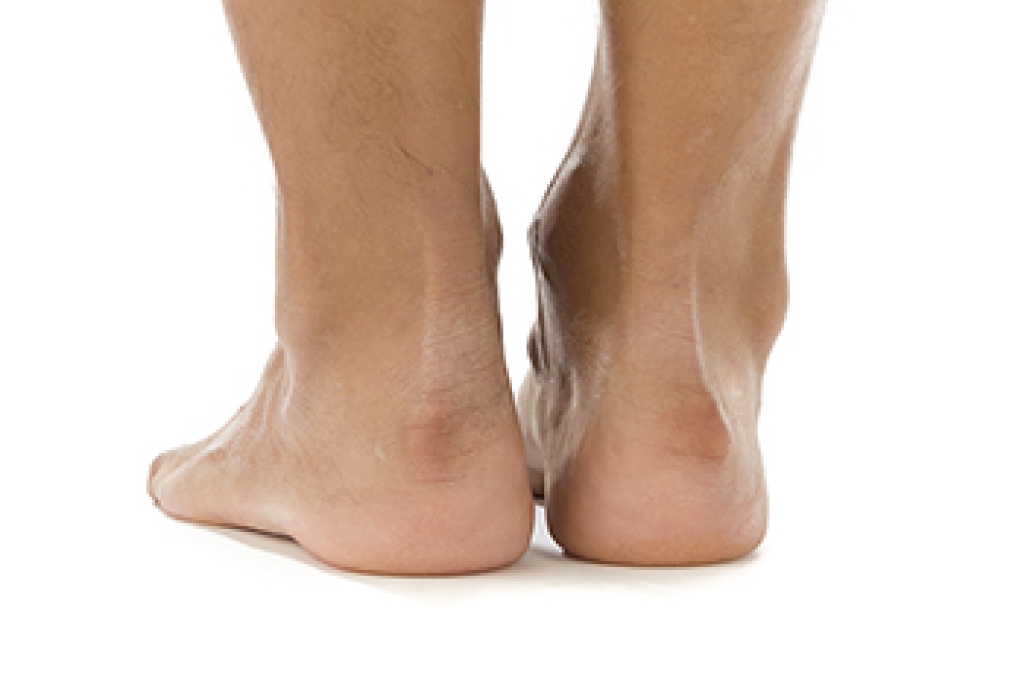
Haglund’s Deformity and Heel Irritation

Haglund’s deformity involves a bony enlargement on the back of the heel that can lead to irritation and discomfort. This bump forms at the attachment of the Achilles tendon, which helps the foot point downward, and plays a key role in walking and movement. The condition is often aggravated by  wearing rigid or tight shoes that create repeated friction against the heel. The area may become red, swollen, and tender, and a noticeable bump may develop. Some individuals also experience inflammation of the surrounding soft tissue, making activity or certain footwear uncomfortable. A podiatrist can examine the shape of the heel and check for signs of irritation. Imaging tests may be used if more detail is needed. Treatment options include shoe modifications, padding, orthotics, and targeted exercises. More persistent cases may require advanced care. If you are experiencing heel pain related to Haglund’s deformity, it is suggested that you schedule an appointment with a podiatrist for an accurate diagnose and appropriate relief and treatment solutions.

Many people suffer from bouts of heel pain. For more information, contact one of our podiatrists of Chicago Foot Specialists. Our practitioners can provide the care you need to keep you pain-free and on your feet.

Causes of Heel Pain

Heel pain is often associated with plantar fasciitis. The plantar fascia is a band of tissues that extends along the bottom of the foot. A rip or tear in this ligament can cause inflammation of the tissue.

Achilles tendonitis is another cause of heel pain. Inflammation of the Achilles tendon will cause pain from fractures and muscle tearing. Lack of flexibility is also another symptom.

Heel spurs are another cause of pain. When the tissues of the plantar fascia undergo a great deal of stress, it can lead to ligament separation from the heel bone, causing heel spurs.

Why Might Heel Pain Occur?

  • Wearing ill-fitting shoes                
  • Wearing non-supportive shoes
  • Weight change           
  • Excessive running

Treatments

Heel pain should be treated as soon as possible for immediate results. Keeping your feet in a stress-free environment will help. If you suffer from Achilles tendonitis or plantar fasciitis, applying ice will reduce the swelling. Stretching before an exercise like running will help the muscles. Using all these tips will help make heel pain a condition of the past.

If you have any questions, please feel free to contact our office located in Chicago, IL . We offer the newest diagnostic and treatment technologies for all your foot care needs.
Read more about Heel Pain

Foot and Ankle Pain in Dancers

Pain in the feet and ankles is extremely common among young dancers training at an advanced level. Different dance styles place unique demands on the body, which can affect where and how often injuries occur. Ballet, for example, tends to show the greatest overall number of dancers dealing with foot and ankle discomfort, likely due to repetitive movements like pointe work and strict technique. On the other hand, contemporary dance often sees more new cases developing over time, possibly because of its dynamic and unpredictable movements. The location of pain can also vary depending on the style, with certain areas of the foot or ankle being stressed more in specific genres. Understanding these patterns can help dancers and coaches focus on prevention, proper technique, and recovery strategies. If you are a dancer and have persistent foot or ankle discomfort, it is suggested that you schedule an appointment with a podiatrist for a proper diagnosis and appropriate treatment.

Sports related foot and ankle injuries require proper treatment before players can go back to their regular routines. For more information, contact one of our podiatrists of Chicago Foot Specialists. Our practitioners can provide the care you need to keep you pain-free and on your feet.

Sports Related Foot and Ankle Injuries

Foot and ankle injuries are a common occurrence when it comes to athletes of any sport. While many athletes dismiss the initial aches and pains, the truth is that ignoring potential foot and ankle injuries can lead to serious problems. As athletes continue to place pressure and strain the area further, a mild injury can turn into something as serious as a rupture and may lead to a permanent disability. There are many factors that contribute to sports related foot and ankle injuries, which include failure to warm up properly, not providing support or wearing bad footwear. Common injuries and conditions athletes face, including:

  • Plantar Fasciitis
  • Achilles Tendinitis
  • Achilles Tendon Rupture
  • Ankle Sprains

Sports related injuries are commonly treated using the RICE method. This includes rest, applying ice to the injured area, compression and elevating the ankle. More serious sprains and injuries may require surgery, which could include arthroscopic and reconstructive surgery. Rehabilitation and therapy may also be required in order to get any recovering athlete to become fully functional again. Any unusual aches and pains an athlete sustains must be evaluated by a licensed, reputable medical professional.

If you have any questions please contact our office located in Chicago, IL . We offer the newest diagnostic and treatment technologies for all your foot and ankle needs.

Read more about Sports Related Foot And Ankle Injuries
scroll to top