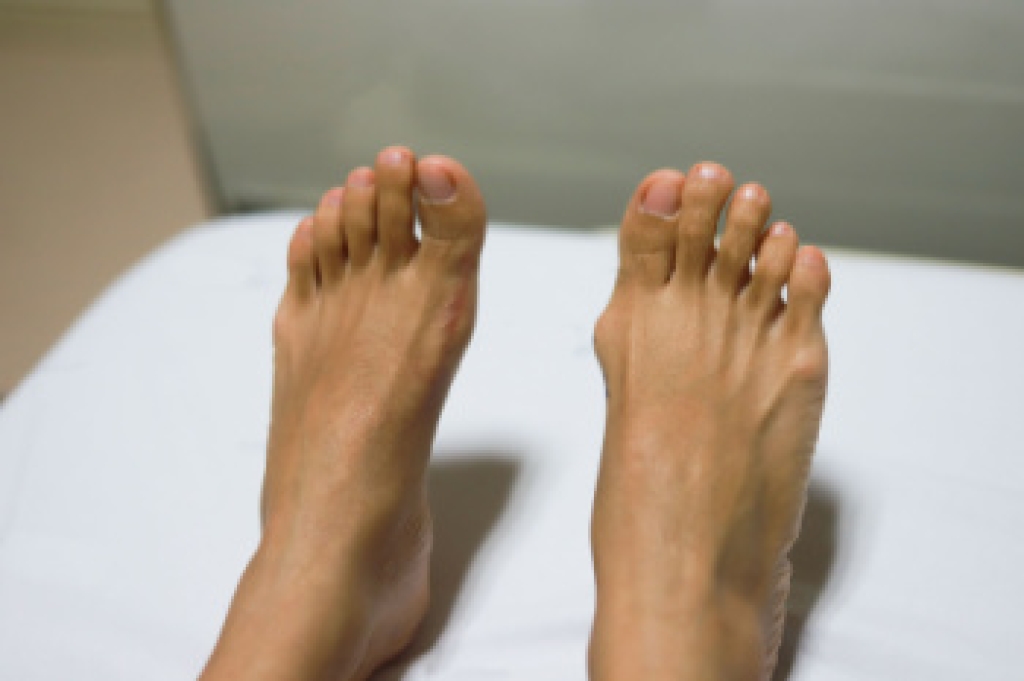
Bunions Are a Common Cause of Foot Pain

Bunions, also known as hallux valgus, are a type of mechanical foot pain that develop when the big toe shifts out of place over time. This change causes a bony bump to form at the base of the big toe, leading to discomfort and difficulty fitting into regular shoes. The pain is often made worse by standing or walking for long periods, as pressure on the joint increases. Several factors can contribute to bunion development, including inherited foot structure, wearing narrow or tight shoes, and certain foot conditions like flat feet. As the bunion grows larger, it may lead to swelling, stiffness, or even difficulty moving the big toe. Using supportive footwear and wearing custom orthotics can help ease discomfort in the early stages. If the bunion worsens, surgery may be considered. It is suggested you visit a podiatrist to discuss relief and treatment options.

Toe pain can disrupt your daily activities. If you have any concerns, contact one of our podiatrists of Chicago Foot Specialists. Our practitioners can provide the care you need to keep you pain-free and on your feet.

What Causes Toe Pain?

Most severe toe pain is caused due to a sports injury, trauma from dropping something heavy on the toe, or bumping into something rigid. Other problems can develop over time for various reasons.

Toe pain can be caused by one or more ailments. The most common include:

  • Trauma
  • Sports injury
  • Wearing shoes that are too tight
  • Arthritis
  • Gout
  • Corns and calluses
  • Hammertoe
  • Bunions
  • Blisters
  • Ingrown toenails
  • Sprains
  • Fractures (broken bones)
  • Dislocations

When to See a Podiatrist

  • Severe pain
  • Persistent pain that lasts more than a week
  • Signs of infection
  • Continued swelling
  • Pain that prevents walking

Diagnosis

In many cases the cause of toe pain is obvious, but in others, a podiatrist may want to use more advanced methods to determine the problem. These can range from simple visual inspections and sensation tests to X-rays and MRI scans. Prior medical history, family medical history, and any recent physical traumatic events will all be taken into consideration for a proper diagnosis.

Treatment

Treatments for toe pain and injuries vary and may include shoe inserts, padding, taping, medicines, injections, and in some cases, surgery. If you believe that you have broken a toe, please see a podiatrist as soon as possible.

If you have any questions please contact our office located in Chicago, IL . We offer the newest diagnostic and treatment technologies for all your foot and ankle needs.

Read more about Toe Pain

Recognizing and Treating a Fractured Foot Bone

A broken metatarsal refers to a fracture in one of the long bones in the middle of the foot. While some people may still walk on a broken metatarsal, doing so can worsen the injury and delay healing. Symptoms include pain, swelling, bruising, and difficulty bearing weight. Causes include direct trauma, falls, overuse during sports, and high-impact activities. Among the risk factors are osteoporosis, improper footwear, and intense physical activity. A podiatrist can diagnose the fracture through examination and imaging, then recommend a personalized treatment plan. This may include immobilization, rest, or, in some cases, surgery. If you suspect a broken metatarsal, do not ignore the pain. It is suggested that you seek expert podiatric care to ensure a full and safe recovery.

A broken foot requires immediate medical attention and treatment. If you need your feet checked, contact one of our podiatrists from Chicago Foot Specialists. Our practitioners can provide the care you need to keep you pain-free and on your feet.

Broken Foot Causes, Symptoms, and Treatment

A broken foot is caused by one of the bones in the foot typically breaking when bended, crushed, or stretched beyond its natural capabilities. Usually the location of the fracture indicates how the break occurred, whether it was through an object, fall, or any other type of injury. 

Common Symptoms of Broken Feet:

  • Bruising
  • Pain
  • Redness
  • Swelling
  • Blue in color
  • Numbness
  • Cold
  • Misshapen
  • Cuts
  • Deformities

Those that suspect they have a broken foot shoot seek urgent medical attention where a medical professional could diagnose the severity.

Treatment for broken bones varies depending on the cause, severity and location. Some will require the use of splints, casts or crutches while others could even involve surgery to repair the broken bones. Personal care includes the use of ice and keeping the foot stabilized and elevated.

If you have any questions, please feel free to contact our office located in Chicago, IL . We offer the newest diagnostic and treatment technologies for all your foot care needs.

Read more about Causes, Symptoms, and Treatment for a Broken Foot

Diagnosis of Vesicular Athlete’s Foot

Vesicular athlete’s foot is a type of fungal infection that causes painful blisters that form along the arch or bottom of the foot. Vesicular athlete’s foot tends to develop suddenly, especially in people who wear tight, enclosed footwear for long hours, such as work boots. Blisters may appear in clusters, some intact and others already ruptured, and can cause pain when pressure is applied. Although some people notice improvement without care, untreated infections may continue to return. Vesicular athlete’s foot is often caused by a particular fungus that thrives in warm, moist environments like sweaty socks or damp shoes. Diagnosis usually involves examining a skin sample under a microscope to confirm a fungal infection. A podiatrist may also perform skin scrapings or cultures to identify the type of fungus and guide treatment. If you have recurring athlete's foot infections, it is suggested that you schedule an appointment with a podiatrist for treatment, which may include prescribed medication.

Athlete’s foot is an inconvenient condition that can be easily reduced with the proper treatment. If you have any concerns about your feet and ankles, contact one of our podiatrists from Chicago Foot Specialists.  Our practitioners will treat your foot and ankle needs.

Athlete’s Foot: The Sole Story

Athlete's foot, also known as tinea pedis, can be an extremely contagious foot infection. It is commonly contracted in public changing areas and bathrooms, dormitory style living quarters, around locker rooms and public swimming pools, or anywhere your feet often come into contact with other people.

Solutions to Combat Athlete’s Foot

  • Hydrate your feet by using lotion
  • Exfoliate
  • Buff off nails
  • Use of anti-fungal products
  • Examine your feet and visit your doctor if any suspicious blisters or cuts develop

Athlete’s foot can cause many irritating symptoms such as dry and flaking skin, itching, and redness. Some more severe symptoms can include bleeding and cracked skin, intense itching and burning, and even pain when walking. In the worst cases, Athlete’s foot can cause blistering as well. Speak to your podiatrist for a better understanding of the different causes of Athlete’s foot, as well as help in determining which treatment options are best for you.

If you have any questions please feel free to contact our office located in Chicago, IL . We offer the newest diagnostic and treatment technologies for all your foot and ankle needs.
Read more about Athlete's Foot

Common Foot Disorders in the Elderly

Foot disorders in the elderly population are common due to natural aging, changes in biomechanics, and the long-term effects of chronic conditions. As people age, their feet may lose strength, flexibility, and cushioning. This process increases the risk of developing arthritis, bunions, hammertoes, and poor circulation. Biomechanical changes can alter walking patterns, leading to instability and discomfort. These issues can impact mobility, independence, and overall well-being. A podiatrist can assess the feet, diagnose underlying problems, and provide personalized treatment, including custom orthotics and footwear recommendations. If you are experiencing any foot pain, it is suggested that you schedule a visit with a podiatrist who can treat various foot conditions and guide you on foot care tips.

Proper foot care is something many older adults forget to consider. If you have any concerns about your feet and ankles, contact one of our podiatrists from Chicago Foot Specialists. Our practitioners can provide the care you need to keep you pain-free and on your feet.

The Elderly and Their Feet

As we age we start to notice many changes in our body, but the elder population may not notice them right away. Medical conditions may prevent the elderly to take notice of their foot health right away. Poor vision is a lead contributor to not taking action for the elderly.

Common Conditions 

  • Neuropathy – can reduce feeling in the feet and can hide many life-threatening medical conditions.
  • Reduced flexibility – prevents the ability of proper toenail trimming, and foot cleaning. If left untreated, it may lead to further medical issues.
  • Foot sores – amongst the older population can be serious before they are discovered. Some of the problematic conditions they may face are:
  • Gouging toenails affecting nearby toe
  • Shoes that don’t fit properly
  • Pressure sores
  • Loss of circulation in legs & feet
  • Edema & swelling of feet and ankles

Susceptible Infections

Diabetes and poor circulation can cause general loss of sensitivity over the years, turning a simple cut into a serious issue.

If you have any questions, please feel free to contact our office located in Chicago, IL . We offer the newest diagnostic and treatment technologies for all your foot care needs.

Read more about Elderly Foot Care

Ankle Fracture? Don’t Wait for Treatment

If you're suffering from an ankle fracture, professional attention shouldn't wait. Fractures may worsen over time and can make completing everyday activities incredibly difficult. See your specialist for treatment and guidance through the healing process. 

scroll to top