Custom orthotics can be used to relieve foot pain and discomfort. They're also used to treat various foot conditions and deformities. Flat feet, bunions, and Morton's neuroma are just a few of the foot conditions that have been known to benefit from the use of orthotics.
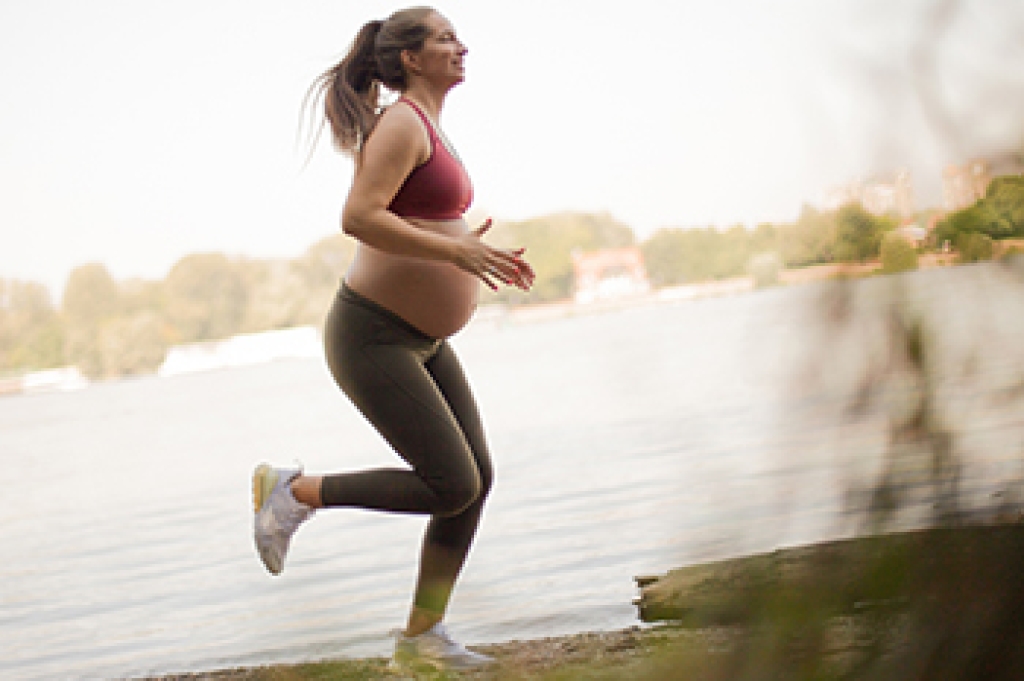
Pregnancy brings many changes to the body, but many women can continue running when their obstetrician says it is safe. As the baby grows, extra body weight and shifting balance place more stress on the feet, ankles, and lower legs. Hormones also loosen the body's ligaments, which are strong bands of tissue that support joints. This natural change helps prepare the body for childbirth, but it can reduce foot stability while running. Some women notice sore arches, heel pain, or ankle discomfort. Others develop swelling that changes how their shoes fit. Running in shoes that provide good support and enough room for the feet becomes even more important as pregnancy progresses. Paying attention to new pain helps prevent small problems from becoming more serious.
A podiatrist can evaluate changes in foot structure and walking or running patterns that develop during pregnancy. The examination includes checking foot alignment, ankle stability, and areas of excess pressure. A podiatrist also looks for conditions like plantar fasciitis, tendon irritation, and stress on the joints caused by changing body weight. Custom orthotics can improve foot support and help distribute pressure more evenly. Shoe recommendations based on foot shape and running style also help improve comfort. Regular foot evaluations allow problems to be identified before they interfere with daily activities or exercise. Prompt care also reduces the chance that pain will limit healthy movement throughout pregnancy.
Running goals often change while pregnant, and comfort becomes more important than speed or distance. Many women find that adjusting their routine allows them to remain active while protecting their feet and ankles. A podiatrist works with the patient's obstetric care team to address foot concerns that develop throughout pregnancy. Professional care helps runners stay as comfortable and active as possible while protecting foot health. If you have foot pain after running while pregnant, it is suggested that you schedule an appointment with a podiatrist for a diagnosis and appropriate treatment.
Pregnant women with swollen feet can be treated with a variety of different methods that are readily available. For more information about other cures for swollen feet during pregnancy, consult with one of our podiatrists from Chicago Foot Specialists. Our practitioners will attend to all of your foot and ankle needs.
What Foot Problems Can Arise During Pregnancy?
One problem that can occur is overpronation, which occurs when the arch of the foot flattens and tends to roll inward. This can cause pain and discomfort in your heels while you’re walking or even just standing up, trying to support your baby.
Another problem is edema, or swelling in the extremities. This often affects the feet during pregnancy but tends to occur in the later stages.
How Can I Keep My Feet Healthy During Pregnancy?
Wearing orthotics can provide extra support for the feet and help distribute weight evenly
Minimize the amount of time spent walking barefoot
Wear shoes with good arch support
Wear shoes that allow for good circulation to the feet
Elevate feet if you experience swelling
Massage your feet
Get regular, light exercise, such as walking, to promote blood circulation to the feet
If you have any questions, please feel free to contact our office located in Chicago, IL. We offer the newest diagnostic and treatment technologies for all your foot care needs.
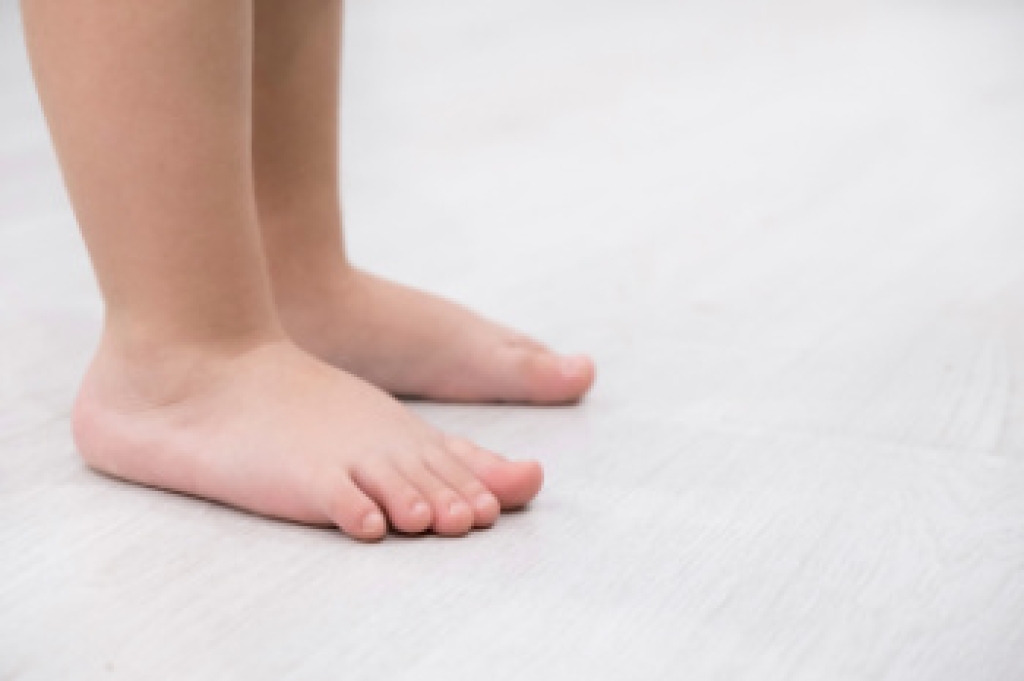
Pediatric flat feet refer to a condition where the arch of the foot is not fully formed or appears to collapse when standing. This is a normal stage in early development, as infants and toddlers naturally have flat feet. The arch begins to develop between the ages of three and six as the foot structure matures. By adolescence, typically around age 14, the arch reaches full development in most individuals.
Symptoms of flat feet in children are often mild, but can become more noticeable as activity levels increase. Some children experience foot fatigue, arch discomfort, or ankle instability. Signs may include inward tilting of the ankles, uneven walking patterns, or complaints of leg or foot pain after exercise. While many children remain symptom free, others may develop issues that affect mobility and comfort.
The causes of flat feet are often related to genetics and biomechanics. Children with a family history of flat feet are more likely to develop the condition. Flexible joints, ligament laxity, and muscle imbalances can also influence arch formation. Additional risk factors include excess body weight and prolonged standing on hard surfaces without proper footwear support.
Walking barefoot can support natural muscle strengthening during early childhood, especially on safe and soft surfaces. It allows the foot to move freely and develop strength. However, proper shoes are important for protection and support during daily activities. Early awareness of symptoms can help prevent long term complications. If your older child has flat feet, it is suggested that you consult a podiatrist for expert advice on shoe guidance and management tips tailored to your child’s needs.
Flatfoot is a condition many people suffer from. If you have flat feet, contact one of our podiatrists from Chicago Foot Specialists. Our practitioners will treat your foot and ankle needs.
What Are Flat Feet?
Flatfoot is a condition in which the arch of the foot is depressed and the sole of the foot is almost completely in contact with the ground. About 20-30% of the population generally has flat feet because their arches never formed during growth.
Conditions & Problems:
Having flat feet makes it difficult to run or walk because of the stress placed on the ankles.
Alignment – The general alignment of your legs can be disrupted, because the ankles move inward which can cause major discomfort.
Knees – If you have complications with your knees, flat feet can be a contributor to arthritis in that area.
Symptoms
Pain around the heel or arch area
Trouble standing on the tip toe
Swelling around the inside of the ankle
Flat look to one or both feet
Having your shoes feel uneven when worn
Treatment
If you are experiencing pain and stress on the foot you may weaken the posterior tibial tendon, which runs around the inside of the ankle.
If you have any questions, please feel free to contact our office located in Chicago, IL. We offer the newest diagnostic and treatment technologies for all your foot care needs.
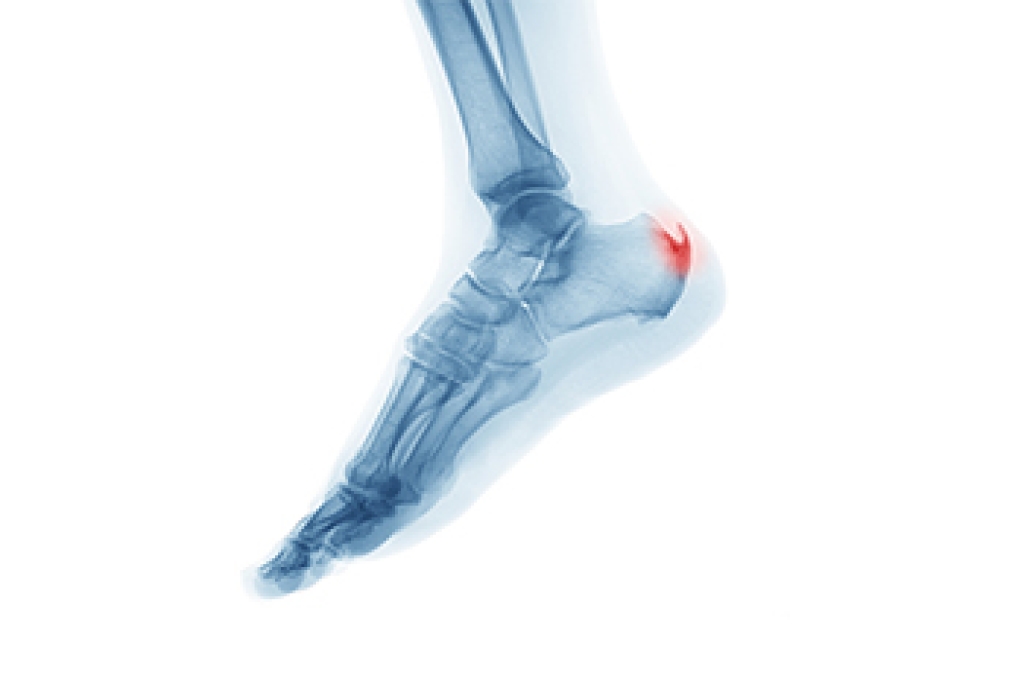
Heel spurs are calcium deposits that create a pointed extension of bone on the heel. These growths are typically found either under the sole where the plantar fascia attaches, or at the back of the heel near the Achilles tendon. They are considered a common source of heel pain and are often linked to long term stress on the connective tissues of the foot. Although heel spurs can exist without symptoms, they are frequently associated with discomfort that affects daily mobility.
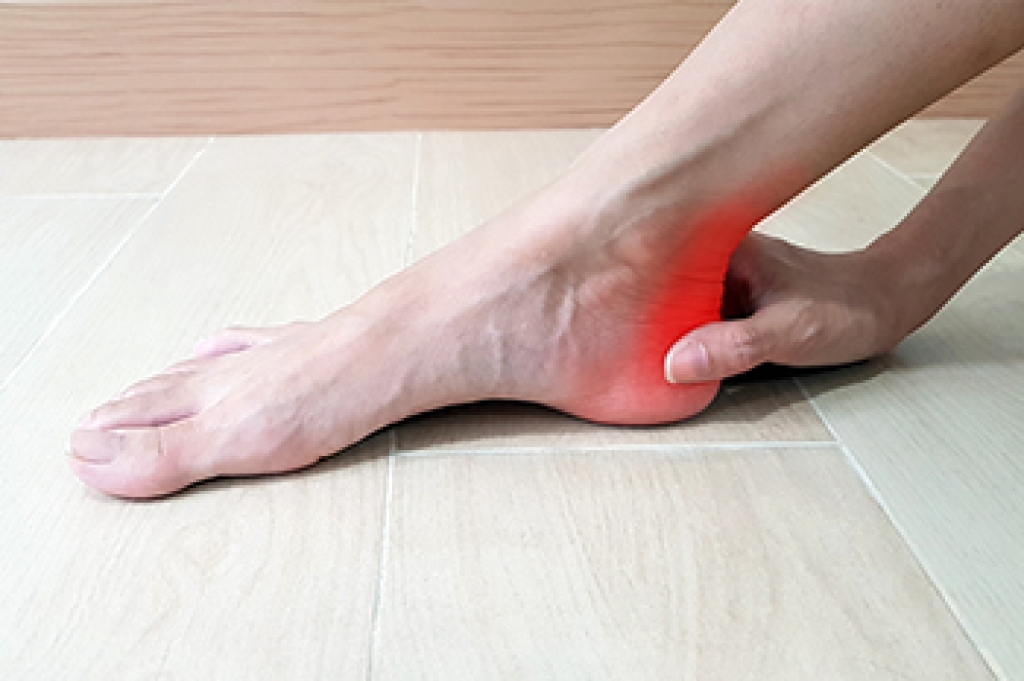
Symptoms often begin as mild irritation but can progress into more noticeable pain. Individuals may feel a sharp or stabbing sensation under the heel when taking initial steps after rest. The discomfort can shift into a dull ache after prolonged standing or walking. In some cases, swelling and localized tenderness develop. When the spur forms at the back of the heel, it may cause stiffness and pain when wearing shoes or during physical activity.
Risk factors for heel spurs include repetitive strain from high-impact activities, wearing improper footwear that lacks arch support, and occupations that require long periods of time standing. Age also plays a role, as the plantar fascia loses elasticity over time. Tight calf muscles and limited ankle flexibility can increase tension on the heel, further contributing to spur formation. Conditions such as obesity and poor foot mechanics also elevate the risk.
Heel spurs develop as the body responds to chronic pulling of the plantar fascia on the heel bone. Addressing the underlying cause is essential for long-term relief. Stretching exercises, wearing supportive shoes, and early evaluation can reduce strain and improve function. If heel pain continues, it is suggested that you seek care from a podiatrist who can accurately diagnose and effectively treat heel spurs.
Heel spurs can be incredibly painful and sometimes may make you unable to participate in physical activities. To get medical care for your heel spurs, contact one of our podiatrists from Chicago Foot Specialists. Our practitioners will do everything possible to treat your condition.
Heels Spurs
Heel spurs are formed by calcium deposits on the back of the foot where the heel is. This can also be caused by small fragments of bone breaking off one section of the foot, attaching onto the back of the foot. Heel spurs can also be bone growth on the back of the foot and may grow in the direction of the arch of the foot.
Older individuals usually suffer from heel spurs and pain sometimes intensifies with age. One of the main condition's spurs are related to is plantar fasciitis.
Pain
The pain associated with spurs is often because of weight placed on the feet. When someone is walking, their entire weight is concentrated on the feet. Bone spurs then have the tendency to affect other bones and tissues around the foot. As the pain continues, the feet will become tender and sensitive over time.
Treatments
There are many ways to treat heel spurs. If one is suffering from heel spurs in conjunction with pain, there are several methods for healing. Medication, surgery, and herbal care are some options.
If you have any questions, please feel free to contact our office located in Chicago, IL. We offer the newest diagnostic and treatment technologies for all your foot care needs.