
Painful deformities, such as hammertoes, can be treated. Stop living with foot pain, and have beautiful feet again!


Painful deformities, such as hammertoes, can be treated. Stop living with foot pain, and have beautiful feet again!
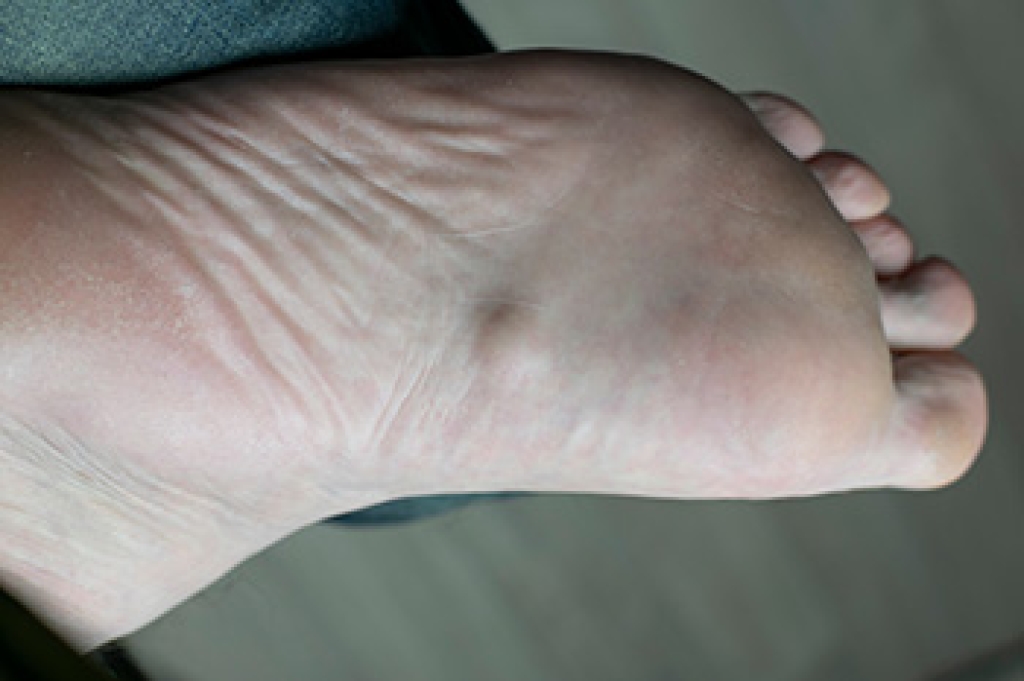
A plantar fibroma is a benign growth that develops within the plantar fascia, which is the thick band of tissue along the bottom of the foot. This condition is part of a group of disorders known as plantar fibromatosis and is characterized by the formation of firm nodules. These growths are non-cancerous, but can cause discomfort depending on their size and location. Plantar fibromas often develop slowly and may go unnoticed at first, but they can become more noticeable over time as pressure is applied during walking or standing.
Symptoms of a plantar fibroma include a small, firm lump in the arch of the foot that can be felt through the skin. The growth may be painless in the early stages but can lead to discomfort as it enlarges. Some individuals experience aching or pressure when walking, especially while wearing shoes that press against the arch. The appearance of the fibroma is typically a raised nodule under the skin, and it may feel fixed in place rather than movable. In certain cases, multiple nodules may develop, which can increase discomfort.
The exact causes of plantar fibroma are not fully understood, but several factors are believed to contribute. Repetitive stress on the foot, minor injuries, and strain on the plantar fascia may play a role in its development. Genetics may also influence the likelihood of developing this condition. Risk factors include high levels of physical activity, prolonged standing, and underlying health conditions that affect connective tissue. Men are more commonly affected than women, and the condition is often seen in middle-aged adults.
Managing plantar fibroma focuses on reducing discomfort and preventing progression. Wearing supportive footwear and custom orthotics can help relieve pressure on the affected area. Monitoring changes in size or pain can help guide treatment decisions. If you have developed a plantar fibroma, it is suggested that you consult a podiatrist for effective management solutions.
A plantar fibroma may disrupt your daily activities. If you have any concerns, contact one of our podiatrists of Chicago Foot Specialists. Our practitioners can provide the care you need to keep you pain-free and on your feet.
Plantar Fibroma
A plantar fibroma is a fibrous knot in the arch of the foot. It is embedded in the plantar fascia which is a band of tissue that extends from the heel to the toes along the bottom of the foot. There can be multiple plantar fibromas in the feet at the same time. There are no known causes for this condition. If you have a plantar fibroma, there will be a bump in the arch of your foot that cannot be missed. Any associated pain is most often due to a shoe rubbing against the nodule. Non-surgical options, such as steroid injections, physical therapy, and orthotics should be tried first. Surgery is a last resort and is the only thing that will remove a plantar fibroma entirely. Consult with a podiatrist for a proper diagnosis and to determine the treatment regimen that is right for you.
What Causes a Plantar Fibroma?
While there are no specific causes identified, a plantar fibroma can possibly come from genetic predisposition or the formation of scar tissue that forms from healing the tears in the plantar fascia.
What Are the Symptoms of a Plantar Fibroma?
There will be a noticeable lump in the arch of the foot that may or may not cause pain. If pain is felt, it is typically because a shoe is rubbing up against the lump or when walking or standing barefoot.
Treatment and Prevention
A plantar fibroma will not disappear without treatment, but it can get smaller and be a non-issue. If pain persists, a podiatrist examines the foot and when the arch of the foot is pressed, pain can be felt down to the toes. An MRI or biopsy might be performed to help diagnose or evaluate the plantar fibroma. The following non-surgical options are generally enough to reduce the size and pain of these nodules:
Surgery is considered if the mass increases in size and the patient continues to feel pain after non-surgical methods are tried.
If you have any questions, please feel free to contact our office located in Chicago, IL . We offer the newest diagnostic and treatment technologies for all your foot care needs.

Shoe inserts, also known as orthotics, are devices placed inside footwear to support the feet and improve alignment during movement. These inserts are commonly used in sports and physical activities to enhance comfort and reduce strain on the lower body. Orthotics can be custom-made or prefabricated, depending on the level of support needed. Their purpose is to stabilize the foot, improve shock-absorption, and promote efficient movement patterns. By addressing imbalances, orthotics help reduce stress on muscles and joints during activity.
Symptoms that may indicate the need for orthotics include foot pain, arch fatigue, heel discomfort, and instability while running or walking. Athletes may also notice decreased performance or recurring injuries. Risk factors include repetitive motion, high-impact sports, and wearing improper footwear. Structural foot issues such as flat feet or high arches are other factors. Without proper support, these factors can increase the likelihood of movement-related injuries and long-term discomfort.
Orthotics are used to treat a variety of conditions, including plantar fasciitis, Achilles tendon strain, shin splints, and over-pronation. They work by redistributing pressure across the foot and correcting alignment. This helps reduce strain on specific areas and supports natural motion. For individuals involved in sports, orthotics can improve balance, enhance stability, and reduce the risk of injury. They also help absorb impact forces, which is essential for protecting joints during repetitive movement.
The benefits of shoe inserts include improved comfort, better performance, and reduced risk of injury. They can support recovery by minimizing stress on affected areas and promoting proper biomechanics. Consistent use of orthotics can lead to long-term improvements in foot health and mobility. If you have foot pain or conditions that require orthotics, it is suggested that you consult a podiatrist who can determine what type of orthotics are right for you.
If you are having discomfort in your feet and would like to try orthotics, contact one of our podiatrists from Chicago Foot Specialists. Our practitioners can provide the care you need to keep you pain-free and on your feet.
What Are Orthotics?
Orthotics are inserts you can place into your shoes to help with a variety of foot problems such as flat feet or foot pain. Orthotics provide relief and comfort for minor foot and heel pain but can’t correct serious biomechanical problems in your feet.
Over-the-Counter Inserts
Orthotics come in a wide variety of over-the-counter inserts that are used to treat foot pain, heel pain, and minor problems. For example, arch supports can be inserted into your shoes to help correct overarched or flat feet, while gel insoles are often used because they provide comfort and relief from foot and heel pain by alleviating pressure.
Prescription Orthotics
If over-the-counter inserts don’t work for you or if you have a more severe foot concern, it is possible to have your podiatrist prescribe custom orthotics. These high-quality inserts are designed to treat problems such as abnormal motion, plantar fasciitis, and severe forms of heel pain. They can even be used to help patients suffering from diabetes by treating foot ulcers and painful calluses and are usually molded to your feet individually, which allows them to provide full support and comfort.
If you are experiencing minor to severe foot or heel pain, it’s recommended to speak with your podiatrist about the possibilities of using orthotics. A podiatrist can determine which type of orthotic is right for you and allow you to take the first steps towards being pain-free.
If you have any questions, please feel free to contact our office located in Chicago, IL . We offer the newest diagnostic and treatment technologies for all your foot care needs.

Extra body weight places greater pressure on the feet, making everyday activities more difficult for many older men and women. The feet support the body's weight with every step, so increased loading can affect joints, muscles, ligaments, and other soft tissues. Research shows that higher body weight is linked to a greater chance of foot pain in older adults. It is also associated with problems like hammer toes and claw toes in some patients. Increased pressure beneath the feet can reduce comfort while walking and affect balance, mobility, and overall quality of life. These changes can make it harder to stay active and maintain independence.
A podiatrist evaluates foot structure, walking patterns, and pressure distribution to identify areas experiencing excessive stress. The examination also looks for changes in toe alignment, joint movement, and skin condition that could affect comfort. Treatment includes custom orthotics, footwear recommendations, and care for painful foot conditions that develop because of increased pressure. A podiatrist can also recommend strategies that improve foot function and reduce unnecessary strain while walking. Regular evaluations help monitor changes in foot health and identify problems before they become more difficult to manage. Improving foot support and movement can also make daily activities more comfortable and help maintain mobility.
Foot pain should never be accepted as a normal part of aging or excess body weight. Persistent discomfort can discourage walking and other forms of activity, creating a cycle that further affects health and mobility. Early podiatry care can improve comfort, reduce pressure on sensitive areas, and help patients remain active with greater confidence. Research found that increasing body weight raises the likelihood of foot pain in both older men and women, highlighting the importance of early evaluation and treatment. If you have symptoms of obesity-related foot pain, it is suggested that you schedule an appointment with a podiatrist for diagnosis and treatment.
Obesity has become very problematic at this point in time and can have extremely negative effects on the feet. If you’re an obese individual and are concerned about your feet, contact one of our podiatrists from Chicago Foot Specialists. Our practitioners can provide the care you need to keep you pain-free and on your feet.
Obesity and Your Feet
Since your feet are what support your entire weight when standing, any additional weight can result in pain and swelling. Being overweight is one of the main contributors to foot complications.
Problems & Complications
Extra Weight – Even putting on just a few extra pounds could create serious complications for your feet. As your weight increases, your balance and body will shift, creating new stresses on your feet. This uneven weight distribution can cause pain, even while doing the simplest tasks, such as walking.
Diabetes – People who are overweight are at serious risk of developing type-2 diabetes, which has a drastic impact on the health of your feet. As you get older, your diabetes might worsen, which could lead to loss of feeling in your feet, sores, and bruises. You could also become more prone to various infections.
Plantar fasciitis – Pressure and stress that is placed on muscles, joints, and tendons can trigger plantar fasciitis, which is an inflammation of tissue that forms along the bottom of the foot.
If you have any questions, please feel free to contact our office located in Chicago, IL . We offer the newest diagnostic and treatment technologies for all your foot care needs.
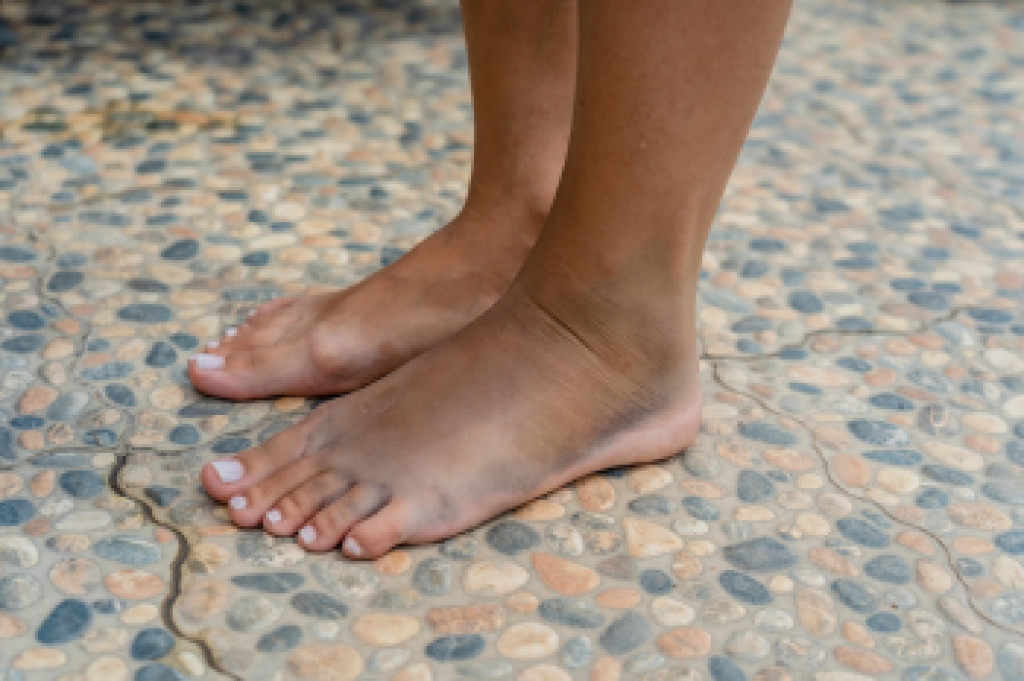
Foot bruises are common injuries that occur when small blood vessels beneath the skin break due to direct impact or repeated stress. This condition, also known as a contusion, can affect different parts of the foot including the toes, heels, and arches. Foot bruises may develop from everyday activities, such as walking long distances, participating in sports, or wearing poorly fitted shoes. Understanding how bruises form helps individuals recognize early signs and take proper action to protect foot health and mobility.
Symptoms of a foot bruise often include discoloration, swelling, and localized pain. The affected area may appear red, purple, or blue depending on the severity of the injury. Many people experience tenderness when pressure is applied, along with limited range of motion in the foot or toes. Weakness and discomfort can make walking difficult, especially if the heel or forefoot is involved. These symptoms may worsen if the injury is not given proper time to heal or if additional stress is placed on the area.
Several causes and risk factors contribute to foot bruises. Direct trauma such as dropping a heavy object on the foot or sudden impact during sports is a common cause. Repetitive stress from running or jumping can also lead to bruising over time. Wearing tight or unsupportive footwear increases pressure on certain areas, making bruises more likely. Individuals with active lifestyles or occupations that involve prolonged standing may face a higher risk of developing foot contusions or minor sprains.
Preventing foot bruises involves wearing supportive shoes, avoiding repetitive strain, and allowing time for recovery after physical activity. Early care such as rest and reducing pressure can help manage symptoms and promote healing. If foot bruises persist or worsen, it is suggested that you consult a podiatrist for effective relief and treatment solutions.
Foot Pain
Foot pain can be extremely painful and debilitating. If you have a foot pain, consult with one of our podiatrists from Chicago Foot Specialists. Our practitioners will assess your condition and provide you with quality foot and ankle treatment.
Causes
Foot pain is a very broad condition that could be caused by one or more ailments. The most common include:
Diagnosis
To figure out the cause of foot pain, podiatrists utilize several different methods. This can range from simple visual inspections and sensation tests to X-rays and MRI scans. Prior medical history, family medical history, and any recent physical traumatic events will all be taken into consideration for a proper diagnosis.
Treatment
Treatment depends upon the cause of the foot pain. Whether it is resting, staying off the foot, or having surgery; podiatrists have a number of treatment options available for foot pain.
If you have any questions, please feel free to contact our office located in Chicago, IL . We offer the newest diagnostic and treatment technologies for all your foot care needs.

