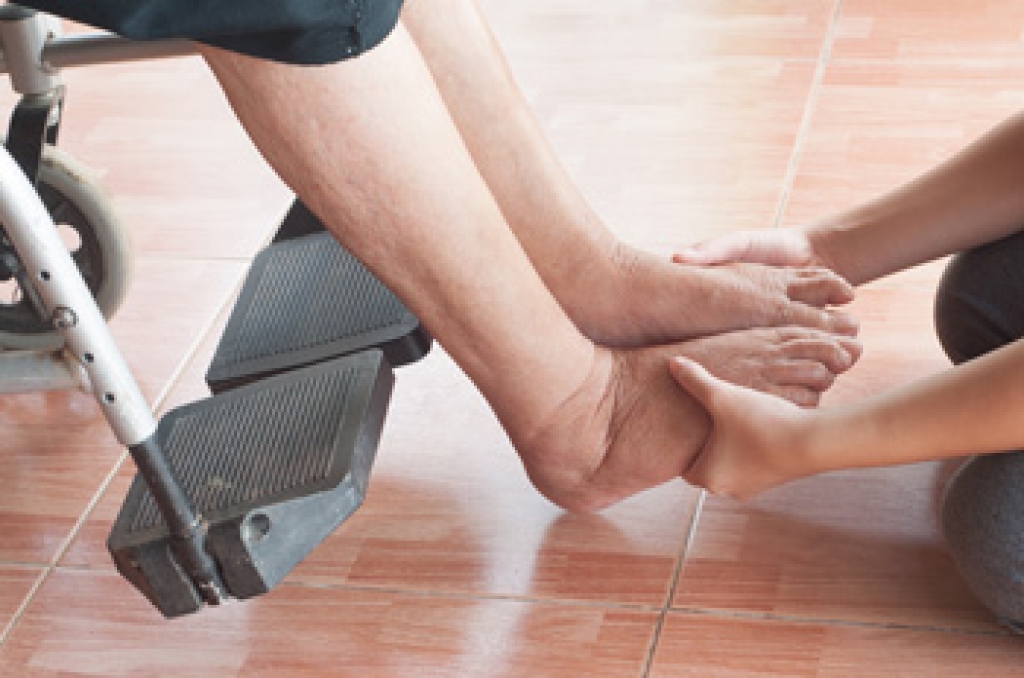
Aging Feet and Ongoing Pain

Long-lasting foot pain becomes more common with age and can make everyday activities more difficult for many older adults. Years of standing, walking, and joint stress may gradually affect the feet and lead to discomfort that limits balance and mobility. Certain health conditions, including diabetes and osteoarthritis, which is a form of joint wear that causes stiffness and inflammation, may increase the likelihood of chronic foot problems. Extra body weight can also place additional strain on the feet and ankles over time. Seniors frequently experience foot issues such as thickened skin, painful pressure areas, changes in toenail growth, and toe deformities that make walking uncomfortable. In some cases, foot pain may also contribute to reduced activity and a lower quality of life. A podiatrist can identify the source of discomfort and recommend treatment to improve comfort, stability, and movement. If you are a senior and chronic foot pain is affecting your daily routine, it is suggested that you visit a podiatrist for evaluation and appropriate treatment.

If you need your feet checked, contact one of our podiatrists of Chicago Foot Specialists. Our practitioners will attend to all of your foot and ankle needs and provide you with quality treatment.

Geriatrics and Podiatry
When people age, some common issues that may occur are bone density loss, dry skin, poor circulation, and rough brittle nails. These issues may also affect your foot health if the necessary steps are not taken to alleviate the problems.

It is important to take care of your feet because feet that are injured or diseased can affect your overall health. Having painful feet hinders your ability to do daily activities or may decrease your willingness to do the things that you need to do.

Visiting Your Geriatrician
As we age, health problems become more likely, so it is essential to visit your doctor for check-ups to ensure that you are doing the best you can to take care of your health. It is recommended to check your feet frequently for any possible cuts, bruises, swelling, corns or any other irregularities. 

Taking Care of Elderly Feet
Cracked or dry feet can be treated by applying moisturizer often. It is also important not to wear old socks because the older the sock is, the higher the possibility there will be that there is bacteria there. Wear fresh socks and make sure they fit properly.

Proper foot health means that you can have a more active lifestyle and you will not be bogged down by pain. Foot health also leads to good circulation, which is paramount for overall health.

If you have any questions, please feel free to contact our office located in Chicago, IL . We offer the newest diagnostic and treatment technologies for all your foot care needs.
Read more about Taking Care of Elderly Feet

Understanding Athlete’s Foot and How It Spreads

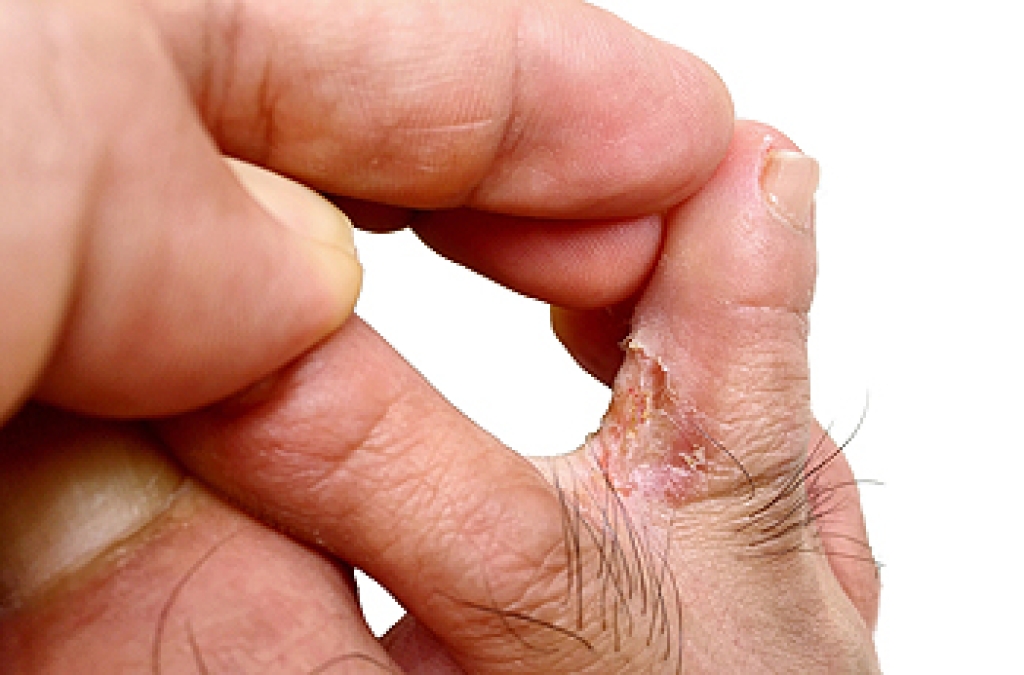
Athlete’s foot is a fungal infection that affects the skin of the feet. Despite its name, a person does not have to be an athlete to develop it. The fungus grows well in warm, damp places and can spread through contact with contaminated surfaces. Risk factors include walking barefoot in locker rooms, showers, or swimming-pool areas. Sharing socks or towels with an infected person can also spread the fungus. Tight-fitting, closed-toe shoes and sweaty feet can create conditions that allow the infection to grow. Symptoms include itching, stinging, and burning between the toes or on the soles.

The skin affected by athlete’s foot can crack, peel, or develop itchy blisters. The infection can also spread beyond the original area. Touching or scratching infected skin can transfer the fungus to the hands. The fungus can spread to the toenails, where the infection can become harder to treat. Because several skin problems can look similar, an accurate diagnosis is important before treatment begins. A podiatrist can examine the skin closely and determine whether the symptoms are caused by athlete’s foot or another foot condition.

A podiatrist can recommend treatment based on the location and severity of the infection. Treatment includes antifungal products that target the fungus and help clear the affected skin. More severe infections can require stronger antifungal medication. A podiatrist can also check for toenail involvement and other complications that could make treatment more difficult. Patients with diabetes or circulation problems can benefit from prompt evaluation because foot infections can create added concerns. Athlete’s foot that persists or keeps returning deserves professional attention. Proper diagnosis helps ensure that treatment targets the actual cause of the symptoms. If you have symptoms of athlete’s foot, it is suggested that you schedule an appointment with a podiatrist for a diagnosis and appropriate treatment.

Athlete’s foot is an inconvenient condition that can be easily reduced with the proper treatment. If you have any concerns about your feet and ankles, contact one of our podiatrists from Chicago Foot Specialists.  Our practitioners will treat your foot and ankle needs.

Athlete’s Foot: The Sole Story

Athlete's foot, also known as tinea pedis, can be an extremely contagious foot infection. It is commonly contracted in public changing areas and bathrooms, dormitory style living quarters, around locker rooms and public swimming pools, or anywhere your feet often come into contact with other people.

Solutions to Combat Athlete’s Foot

  • Hydrate your feet by using lotion
  • Exfoliate
  • Buff off nails
  • Use of anti-fungal products
  • Examine your feet and visit your doctor if any suspicious blisters or cuts develop

Athlete’s foot can cause many irritating symptoms such as dry and flaking skin, itching, and redness. Some more severe symptoms can include bleeding and cracked skin, intense itching and burning, and even pain when walking. In the worst cases, Athlete’s foot can cause blistering as well. Speak to your podiatrist for a better understanding of the different causes of Athlete’s foot, as well as help in determining which treatment options are best for you.

If you have any questions please feel free to contact our office located in Chicago, IL . We offer the newest diagnostic and treatment technologies for all your foot and ankle needs.

Read more about Athlete’s Foot

Understanding Foot Arthritis and Its Impact on Mobility

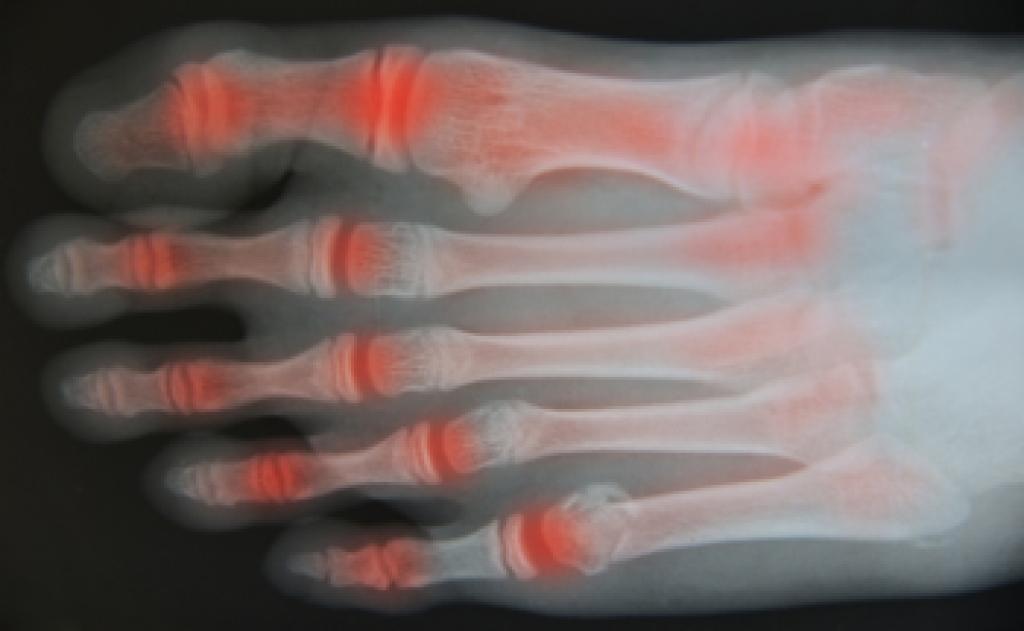
Foot arthritis involves inflammation and degeneration of the joints in the feet. It can affect any of the many joints that support movement, balance, and weight distribution. This condition develops when cartilage wears down or when inflammation damages joint structures. Foot arthritis can limit mobility and make daily activities more difficult. Understanding the definition of foot arthritis helps individuals recognize early signs and take steps to manage symptoms effectively.

Common symptoms include pain, stiffness, and swelling in the affected joints. These symptoms may worsen with activity and improve with rest. Many individuals notice reduced flexibility, making it difficult to walk or stand for extended periods. The joints may feel tender or appear swollen, especially after physical exertion. Untreated arthritis can lead to changes in foot shape and function. Recognizing these symptoms early is important for maintaining comfort and mobility.


The causes of foot arthritis often involve a combination of genetic and environmental factors. Genetic predisposition can increase the likelihood of joint degeneration, while environmental influences, such as repetitive stress or injury, may trigger symptoms. Smoking is a known risk factor that can contribute to inflammation and reduce circulation, which may worsen joint health. Infection and prolonged stress on the joints can also play a role in the development of arthritis. Risk factors include aging, previous injuries, and obesity. Occupations that require long periods of standing may also contribute.


Managing foot arthritis involves reducing strain on the joints and maintaining overall foot health. Supportive footwear, proper weight management, and low-impact exercise can help improve comfort and mobility. Early attention to symptoms can prevent further joint damage and improve quality of life. Taking proactive steps supports long-term function and well-being. If you have symptoms of arthritis in the feet, it is suggested that you consult a podiatrist for effective and management tips. 

Arthritis can be a difficult condition to live with. If you are seeking treatment, contact one of our podiatrists from Chicago Foot Specialists. Our practitioners can provide the care you need to keep you pain-free and on your feet.

Arthritic Foot Care  

Arthritis is a term that is commonly used to describe joint pain.  The condition itself can occur to anyone of any age, race, or gender, and there are over 100 types of it.  Nevertheless, arthritis is more commonly found in women compared to men, and it is also more prevalent in those who are overweight. The causes of arthritis vary depending on which type of arthritis you have. Osteoarthritis for example, is often caused by injury, while rheumatoid arthritis is caused by a misdirected immune system.

Symptoms

  • Swelling
  • Pain
  • Stiffness
  • Decreased Range of Motion

Arthritic symptoms range in severity, and they may come and go. Some symptoms stay the same for several years but could potentially get worse with time. Severe cases of arthritis can prevent its sufferers from performing daily activities and make walking difficult.

Risk Factors

  • Occupation – Occupations requiring repetitive knee movements have been linked to osteoarthritis
  • Obesity – Excess weight can contribute to osteoarthritis development
  • Infection – Microbial agents can infect the joints and trigger arthritis
  • Joint Injuries – Damage to joints may lead to osteoarthritis
  • Age – Risk increases with age
  • Gender –Most types are more common in women
  • Genetics – Arthritis can be hereditary

If you suspect your arthritis is affecting your feet, it is crucial that you see a podiatrist immediately. Your doctor will be able to address your specific case and help you decide which treatment method is best for you.

If you have any questions please feel free to contact our office located in Chicago, IL . We offer the newest diagnostic tools and technology to treat your foot and ankle needs.

Read more about How to Care for Your Arthritic Foot
scroll to top